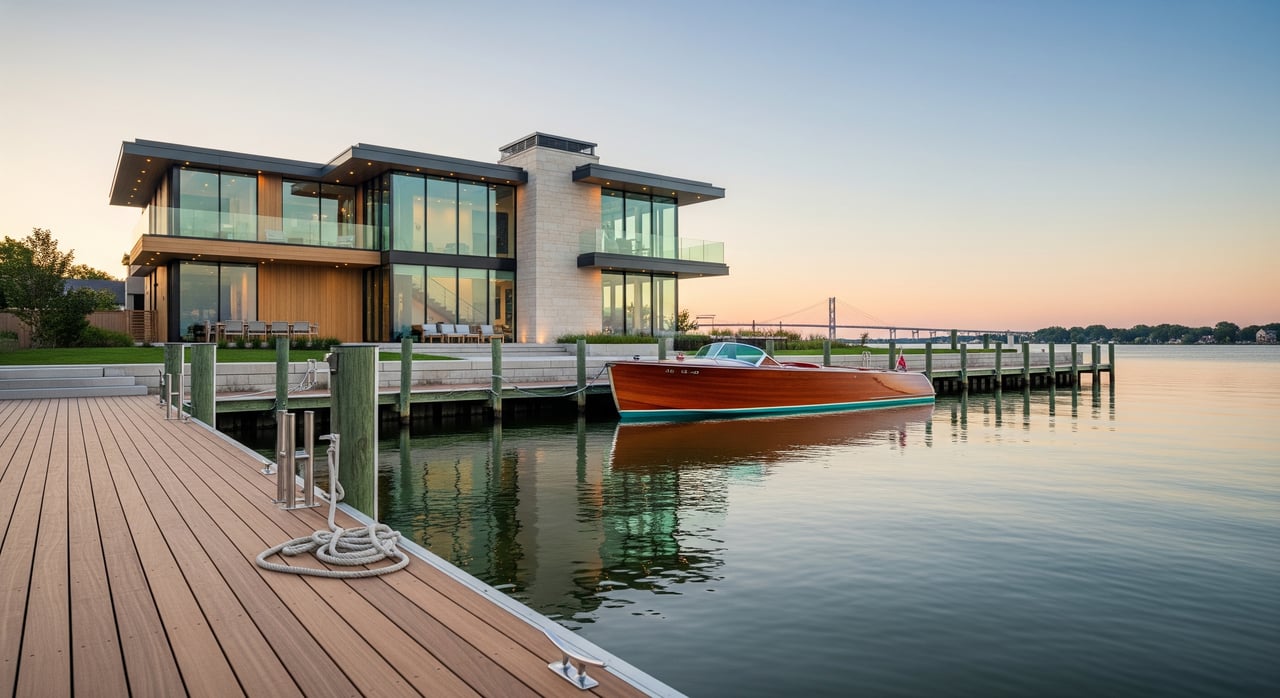
You can hear the low horn before you see it: a Great Lakes freighter gliding past the Blue Water Bridge as the Fort Gratiot Lighthouse silhouettes the morning sky. If you’re imagining that view from your own porch, you’re not alone. Waterfront living in Port Huron blends big-water energy with small-city comfort, and it comes with a few practical details you should understand before you buy. In this guide, you’ll learn what day-to-day life looks like, where to focus your search, what it really costs, and how to make a smart decision. Let’s dive in.
Port Huron waterfront at a glance
Port Huron sits where Lake Huron narrows into the St. Clair River, so you get both open-lake exposure and an active river channel. The downtown shoreline faces the river and international ship traffic, with the Blue Water Bridge linking Port Huron to Sarnia, Ontario. That cross-border connection shapes local traffic, tourism, and the views you’ll enjoy from many riverfront spots.
Seasons drive the rhythm of life here. Summers are warm and lively, with boating, festivals, and beach days in full swing. Spring and fall are transitional and busy for boat launch and haul-out. Winters bring snow, quiet shorelines, and ice formation in nearshore areas, which shifts your focus to home and dock maintenance.
The typical boating season for pleasure craft runs from late spring through early fall, roughly May to October. Peak months are June through August when slips fill up, marinas hum with activity, and the river becomes a floating parade.
Housing options by the water
What “waterfront” means here
In Port Huron, “waterfront” can mean a few different things:
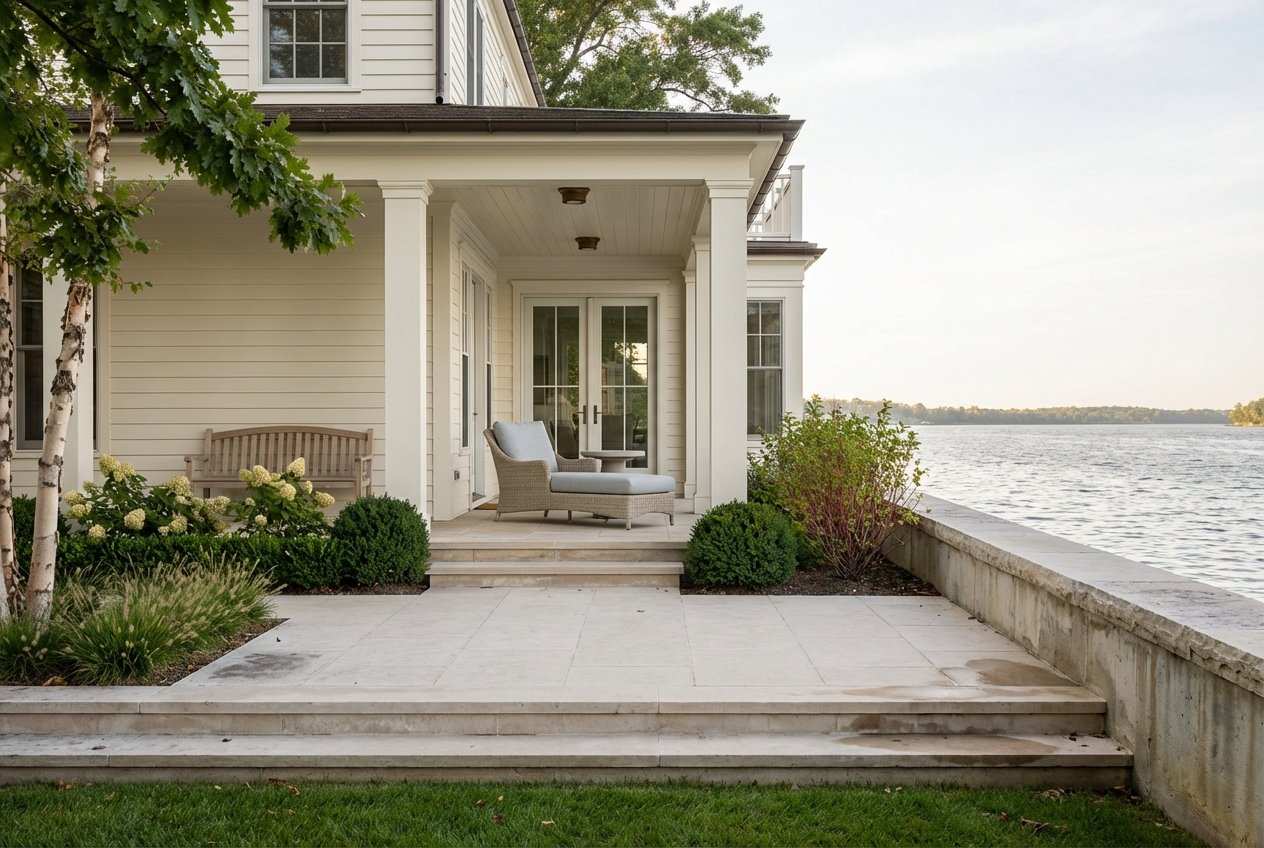
- Deeded waterfront: Direct frontage on the St. Clair River or Lake Huron, often with a private shoreline, seawall, or dock.
- Near-water: A short walk to parks, public beaches, the Blue Water Riverwalk, or a marina, but without private shoreline ownership.
- Shared or community access: Condominiums or HOA communities with shared slips, docks, or beachfront.
Each option carries different costs, responsibilities, and value drivers. Deeded frontage typically commands a premium. Near-water can deliver views and walkability without the same shoreline upkeep. Community access can be a smart middle ground for boaters who prefer managed facilities.
Where you might look
- Downtown and the Blue Water Riverwalk: Walkable access to restaurants, parks, and events, with condos and multifamily buildings that capture river views.
- Olde Town and the Black River corridor: An arts-oriented area near the water that connects to downtown amenities and marinas.
- Fort Gratiot Lighthouse and beaches: Historic lighthouse, public beaches, and park spaces that anchor lakefront lifestyle.
- Port Huron Township and Fort Gratiot Township shorelines: More suburban settings with single-family homes, some with private docks or deeded access.
- Nearby water-oriented communities: Marysville and Algonac in St. Clair County offer additional marina culture and boating access if you’re exploring the broader Blue Water Area.
Home styles you’ll see
You’ll find historic single-family and Victorian-era homes close to the river and downtown streets. There are small to mid-scale condo buildings that prioritize water views and low upkeep. Suburban waterfront neighborhoods offer ranches, split-levels, and newer infill homes, sometimes on lots that support docks. You’ll also spot seasonal cottages near harbor areas and on smaller inland lakes, with some updated for year-round use.
Everyday lifestyle and amenities
Marinas and boat access
The Port Huron area has a mix of public and private marinas, city-run boat launches, and yacht clubs. Slip availability varies by season, and peak summer months can be tight. If you plan to keep a boat, factor in seasonal launch and haul-out schedules, winter storage, and any membership requirements for private facilities.
Parks, trails, and walkability
The Blue Water Riverwalk and its connected parks create an easy way to walk or bike along the water with downtown convenience. Public beaches and lighthouse-area parks on Lake Huron are summer staples for swimming and picnics. Many near-downtown neighborhoods are walkable to coffee, restaurants, and events, while more suburban shorelines are primarily car dependent.
Boating, fishing, and water sports
You can expect day cruising, sailing, and sportfishing throughout the season. Anglers target species like walleye, yellow perch, and, depending on the time of year, salmon and trout in the St. Clair River and Lake Huron corridor. Kayaks and stand-up paddleboards are popular in calmer stretches and protected bays. Always respect the commercial channel and freighter wakes when planning routes.
Events, culture, and views
Waterfront festivals and community events tend to center on the riverfront and park spaces. Many residents enjoy simple daily perks: freighter spotting under the Blue Water Bridge, lighthouse vistas at sunset, and the changing seasons reflected on the water.
Practical costs and considerations
Access vs. ownership: docks and rights
Confirm whether a listing includes riparian rights, a private dock, or access to a shared marina or HOA facility. Not every “waterfront” home comes with private shoreline ownership. If you plan to add a dock or modify a seawall, expect to navigate local, state, and federal permits. Michigan’s environmental regulators and city or township offices oversee shoreline projects.
Flooding, erosion, and insurance
Water levels on the Great Lakes can vary year to year, and temporary surges or seiches can increase nearshore flooding risk during storms. Review FEMA flood maps to understand a property’s designation and insurance requirements. Shoreline erosion and ice can affect docks and seawalls, which may raise maintenance costs over time.
Seasonal maintenance and budgeting
Plan for recurring costs if you own or access the water directly:
- Boat winterizing, launch, haul-out, and storage
- Slip or membership fees for marinas or yacht clubs
- Shoreline structure upkeep, including seawalls and revetments
- Periodic repairs after winter storms and ice
A clear annual budget helps you enjoy the lifestyle without surprises.
Noise, traffic, and cross-border dynamics
The St. Clair River is an active navigation channel. Expect some ship noise and visual activity along with busy days around festivals. Proximity to the Blue Water Bridge offers convenient cross-border access to Sarnia, but also periodic congestion near the bridge plazas. If you prefer a quieter setting, factor this into neighborhood selection.
Commute and services
Port Huron offers local health care, services, and schools, and you can commute to larger employment centers via I-94. Depending on your destination and traffic, plan on about 1 to 1.5 hours by car to parts of metro Detroit. Amtrak’s Blue Water line terminates in Port Huron for a regional rail option to Chicago.
Buyer checklist for waterfront
Use this quick list as you tour homes and plan offers:
- Verify deeded frontage, riparian rights, and the exact location and ownership of any dock or boathouse.
- Ask about slip availability, seasonal reservations, and winter storage if you rely on a marina.
- Review HOA or condo rules for boat size, dock usage, and on-site storage.
- Check FEMA flood zone status and discuss insurance with your lender and insurer.
- Estimate annual costs for slips, storage, dock haul-out, and shoreline maintenance.
- Confirm utilities and services, including sewer vs. septic and local snow or ice policies for shoreline roads.
- If you plan changes, consult city or township building departments and Michigan environmental regulators before designing docks, seawalls, or major shoreline work.
- Consider lifestyle factors like freighter traffic, bridge activity, event calendars, and neighborhood walkability.
How Jeff helps you buy waterfront
Buying waterfront is equal parts lifestyle and logistics. You want the views, the walkability, and the boat days. You also need smart answers on docks, permits, flood zones, and seasonal costs. With 38-plus years in the Blue Water Area, Jeff pairs local market insight with hands-on guidance so you can focus on the right properties and avoid costly surprises.
Jeff’s approach is personal and practical. He helps you compare direct-waterfront vs. near-water value, reviews HOA and marina considerations, and coordinates the details that make a complex closing feel simple. Whether you’re eyeing a downtown condo with river views or a lakefront home with a private dock, you’ll get clear communication and steady representation from search to keys.
Ready to explore Port Huron waterfront living with a trusted local? Connect with Jeff Wine CRS, ABR, GRI for a personal consultation or to request a free Port Huron home valuation.
FAQs
How long is the boating season in Port Huron?
- For most pleasure boaters, the season runs from late spring through early fall, roughly May to October, with peak activity in June through August.
What counts as “waterfront” in Port Huron real estate?
- It can mean deeded shoreline on the St. Clair River or Lake Huron, near-water homes within walking distance of parks or marinas, or condominium and HOA communities with shared access to slips or beachfront.
Do I need flood insurance on a riverfront home?
- It depends on the property’s FEMA flood zone and your lender’s requirements; review the parcel’s map designation and discuss coverage with your lender and insurance provider.
How busy or noisy is life near the Blue Water Bridge?
- Expect visible and audible activity from commercial shipping and bridge traffic; it’s part of the area’s character, and the level of activity varies by block and season.
Can I add a dock or modify a seawall at my home?
- Possibly, but you’ll need to consult local building departments and Michigan environmental regulators for permits before planning any shoreline work.
Are there walkable waterfront areas with cafes and parks?
- Yes, many homes near downtown have easy access to the Blue Water Riverwalk, parks, and restaurants, while more suburban shoreline areas rely more on car access.