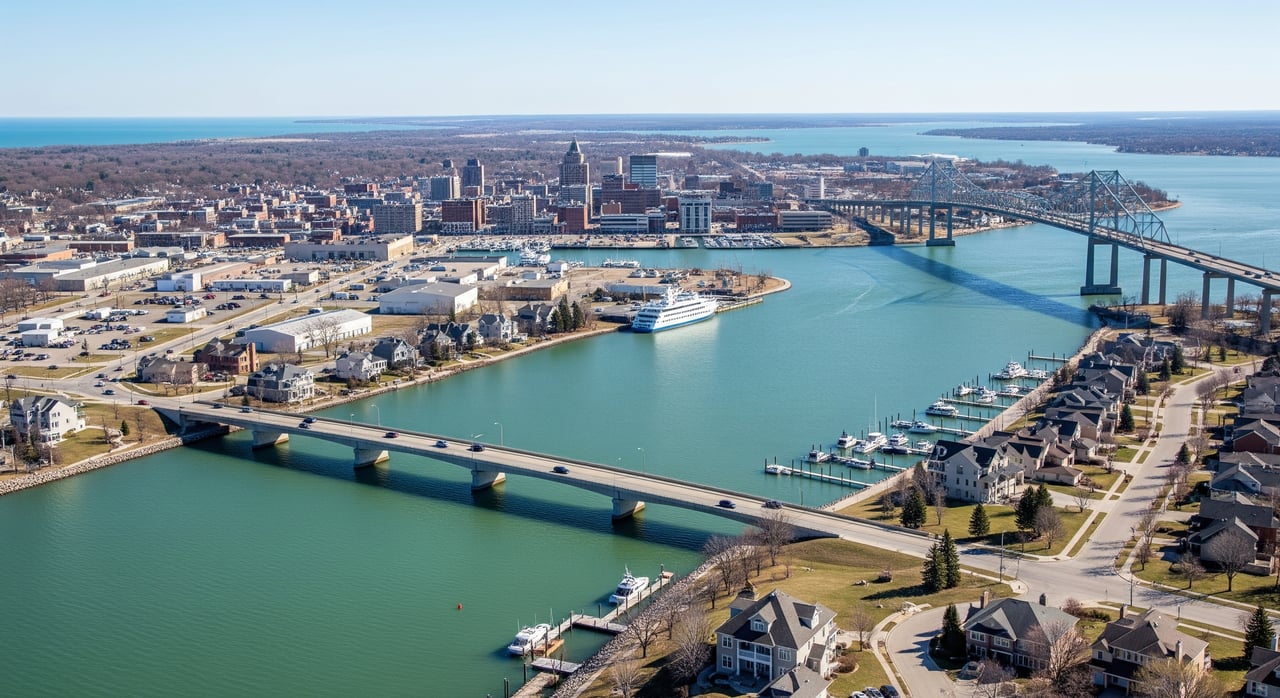
Selling a waterfront home in the Port Huron and St. Clair County area is different from selling a typical suburban property. You are not just selling a house. You are selling shoreline, views, and access to Lake Huron or the St. Clair River. That attracts serious buyers, but they also ask serious questions about permits, flood zones, and docks.
This guide gives you a clear, step-by-step plan tailored to Port Huron and the Blue Water Area. You will learn how to prepare inspections and documents, price for waterfront value, and market to local and Metro Detroit buyers. You will also see how to avoid the most common surprises that delay closings. Let’s dive in.
Your proven plan at a glance
- Confirm rights and permits early: survey, title, dock and seawall records, flood maps, and any shared-access agreements.
- Complete pre-listing inspections: general home, dock or seawall, septic and well if applicable.
- Prioritize high-impact repairs: safety items and shoreline structures first, then exterior envelope and mechanicals.
- Stage for views and lifestyle: clear view corridors, clean shoreline, and professional photos with aerials.
- Price with waterfront comps: adjust for frontage, access type, dock and seawall condition, and flood-zone status.
- Launch targeted marketing: MLS, high-quality media, and digital outreach to local and Metro Detroit buyer pools.
- Prepare for lender and insurance items: flood insurance, elevation certificates, and documentation that speeds underwriting.
- Time your listing: spring to early summer shows best, with a clear plan for off-season showings if needed.
Know your buyer and market
Waterfront buyers come for the views and access, and they ask about shoreline stability, dock and seawall condition, flood risk, and year-round usability. In Port Huron, you also have the St. Clair River’s commercial traffic in some areas, which can affect noise and activity. Buyers will want clear, factual information about these items.
Your buyer pool includes St. Clair County residents, nearby counties, and Metro Detroit searchers. Many weekend and second-home buyers look from the Warren–Troy–Farmington Hills corridor. Reaching that audience with the right message and media helps you capture more showings and stronger offers.
Get ahead of permits, rights, and title
Great Lakes waterfronts involve unique rules. In Michigan, Great Lakes bottomlands are held in public trust, and private rights often end at the ordinary high-water mark. Do not promise rights or uses you cannot document. Instead, gather proof and steer discussions to the facts in your deed, survey, and permits.
Docks, lifts, seawalls, and shoreline work
Shoreline structures often require permits from state and federal authorities and sometimes local zoning. If a dock or seawall was built or modified, gather the permits and plans. If you are missing records, start by confirming what exists and who approved it. Buyers and lenders will want this early, and missing permits can slow or derail a closing.
Action steps:
- Locate permits for any dock, lift, seawall, or shoreline stabilization.
- If unsure, contact the appropriate permitting authority to confirm history.
- Have a licensed marine contractor inspect and provide a written condition report.
Flood zones and insurance
Waterfront parcels frequently fall within FEMA flood zones such as AE or VE. Lenders often require flood insurance if a structure is in a special flood hazard area. Some buyers may explore private flood insurance options.
Action steps:
- Pull your parcel’s FEMA flood map and know your flood zone.
- Consider an elevation certificate if it may lower premiums or clarify structure elevation.
- Ask an insurance professional for current premium ranges so buyers can plan.
Septic, wells, and utilities
Many local waterfront homes use septic systems and wells. System age, capacity, and distance to the shoreline are material facts for buyers and lenders. If you are on public sewer and water, have written confirmation available.
Action steps:
- Order a septic inspection and well water test before listing when possible.
- Gather maintenance records or replacement receipts.
- Be ready to disclose results and options if a system needs work.
Easements and access agreements
Some properties include shared beach or dock access, utility easements, or encroachments. If a neighbor’s dock crosses a line, or if you share a private road or ramp, document the agreement now.
Action steps:
- Order a current title report and boundary survey.
- Collect recorded easements and any shared-use rules.
Pre-listing inspections and repairs
Waterfront conditions magnify wear on homes and shoreline structures. A buyer’s inspection will likely call out items you can identify and address now. That preparation gives you better pricing leverage and fewer renegotiations later.
What to prioritize:
- Structural and exterior envelope: roof, windows, siding, decks, and foundations that take direct weather exposure.
- Shoreline structures: dock framing, pilings, fasteners, corrosion, scouring, and seawall integrity.
- Mechanical systems: HVAC, plumbing, and electrical exposed to moist or corrosive environments.
- Septic and well: functionality, capacity, and recent inspection reports.
- Moisture and air quality: basements and lower levels where water intrusion can cause odors or mold.
If a safety issue exists, fix it or price accordingly with documented contractor estimates. Buyers respect clarity and options.
Stage the shoreline and the home
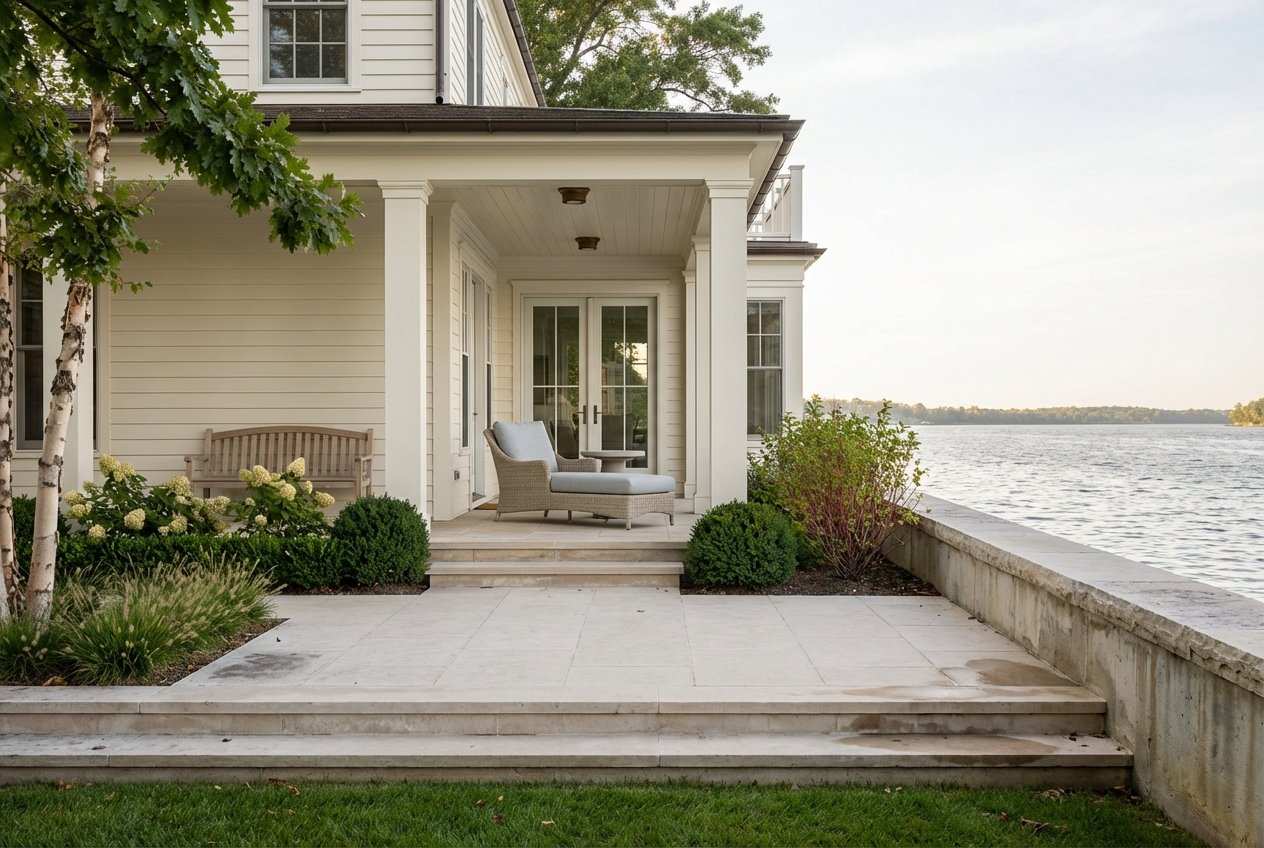
First impressions start at the water’s edge. You want clean lines, safe footing, and views that feel open and inviting.
Shoreline and exterior tips:
- Remove clutter, unused equipment, and derelict watercraft.
- Clean and repair docks, railings, and steps. Add non-slip surfaces where needed.
- Refresh landscaping with low-maintenance native plants that stabilize banks and let the view shine.
Interior and photo strategy:
- Clear view corridors by removing heavy window treatments and bulky furniture.
- Show indoor-outdoor flow with staged seating, open patio doors, and tidy decks.
- Hire a professional photographer with waterfront experience, and include aerial drone images that show your lot, shoreline, and proximity to channels or marinas.
Price for the water, not just the house
Waterfront value turns on features that do not apply to most homes. Your price should reflect frontage, type of water access, and the condition of shoreline structures.
Key pricing factors:
- Waterfront frontage in linear feet and usability of shoreline.
- Lakefront vs. riverfront vs. canal, and whether access is private or shared.
- Dock and seawall presence, condition, and documented permits.
- Flood-zone status and any elevation certificate data.
- Condition and recent updates that protect against the elements.
Comparable sales can be limited. Adjust for shoreline quality and structures as much as you adjust for interior finishes. Be transparent about known challenges like flood zones, past high-water impacts, or shipping lane activity that affects noise. Surprises later can collapse a deal.
Market where qualified buyers look
Your marketing should showcase the lifestyle and reach regional buyer pools that target Port Huron and St. Clair County waterfronts.
Core elements:
- Professional photography with twilight and drone shots to highlight the water context.
- Detailed property description that states access type, dock and seawall condition, and key documents available on request.
- Virtual tours to help out-of-area buyers understand view lines and the flow between indoor and outdoor spaces.
- Targeted digital outreach that includes the local market and Metro Detroit, especially the Warren–Troy–Farmington Hills corridor where many waterfront buyers originate.
- Broker events and private showings timed for the best light given your exposure.
Plan for lenders and insurance
Underwriting can take longer on waterfront properties. Set the stage with documents that help buyers and their lenders move quickly.
Have these ready:
- Flood map information and, if applicable, an elevation certificate.
- Septic and well inspection reports and water test results.
- Dock and seawall permits and any engineering or contractor reports.
- Title report, survey, and easements or shared-access rules.
This file becomes your buyers’ decision kit. It boosts confidence and reduces back-and-forth.
Timing your Port Huron listing
Spring through early summer is usually the sweet spot in Michigan when the shoreline shows well and boating season starts. If you need to list in late fall or winter, focus on move-in readiness: clear snow and ice from access points, show storage for gear, and highlight off-season views and comfort features.
A practical pre-list timeline:
- 4 to 8 weeks out: order title and survey, schedule general and specialized inspections, and line up contractors for priority repairs.
- 2 to 4 weeks out: complete staging and shoreline cleanup, book photography and drone work, and assemble all disclosures and permits.
- Launch week: publish to the MLS, syndicate to approved channels, release your visuals, and schedule a broker open.
- Active period: pre-qualify showings where possible, provide your documentation promptly, and stay flexible for weather-dependent showings.
Avoid the promises that cause problems
Keep your statements factual, and point to documents. Do not imply ownership beyond the ordinary high-water mark or guarantee rights to moorings or structures without permits and title evidence. Use clear, neutral language about access and rights, and attach the backup.
Close with fewer surprises
Expect negotiations to center on docks or seawalls, flood insurance, septic or well results, and any survey findings. Prepare solutions in advance. You can offer credits with contractor quotes, agree to complete specific repairs, or price the property as-is and disclose clearly.
At closing, confirm how permits transfer, what personal property conveys, and who is responsible for removing or moving lifts or seasonal items. Document any shared-access maintenance obligations.
Ready for a confident waterfront sale?
You do not need to solve every shoreline question on your own. With the right preparation, transparent documentation, and strong marketing, you can attract qualified buyers and move to closing with less friction. If you would like a personalized plan for your shoreline, permits, pricing, and timing, reach out for local guidance backed by decades of Blue Water experience.
Request a free Port Huron home valuation or call Jeff Wine CRS, ABR, GRI for a personal consultation.
FAQs
What makes Port Huron waterfront sales different?
- Buyers focus on shoreline stability, dock and seawall condition, flood zones, and year-round usability, so you need permits, inspections, and clear documentation up front.
How do I prove dock or seawall permits when I sell?
- Gather past permits and approvals, confirm history with the relevant authorities, and provide copies to buyers early to avoid delays in underwriting and closing.
Do I need flood insurance for my waterfront home?
- If your structure lies in a FEMA special flood hazard area, most lenders will require flood insurance; an elevation certificate can clarify requirements and cost.
Should I inspect septic and well systems before listing?
- Yes, pre-list inspections and water tests help you price accurately, disclose confidently, and avoid renegotiations after buyer inspections.
When is the best time to list in St. Clair County?
- Spring through early summer typically brings the strongest demand and best presentation, though off-season listings can still succeed with a clear showing and marketing plan.
How should I price waterfront frontage and access?
- Use local waterfront comps and adjust for linear frontage, access type, dock and seawall condition, and flood-zone status rather than relying on standard neighborhood averages.
Will a failing seawall sink my sale?
- Not necessarily; it will affect price and interest, but a pre-list contractor report and clear options for repair or credits help keep qualified buyers engaged.