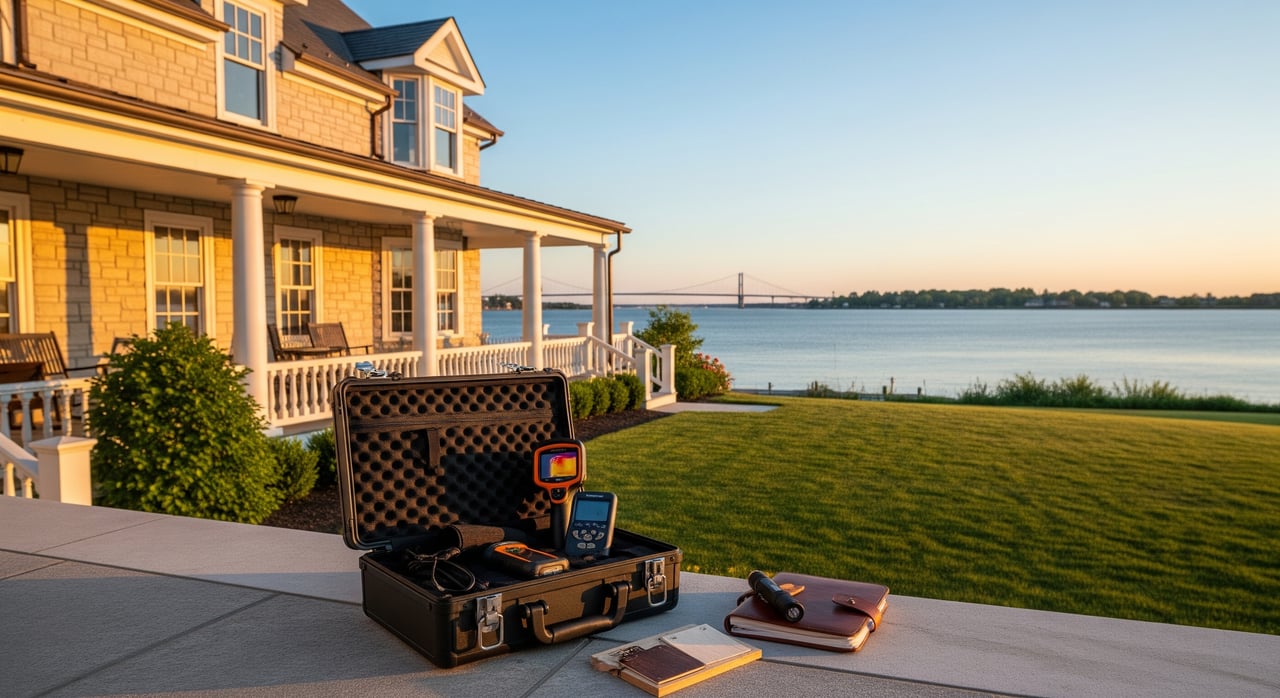
Buying a home in Port Huron should feel exciting, not stressful. Still, that first walkthrough can leave you wondering what you might be missing behind the walls or under the roof. A clear home inspection can give you the peace of mind you need to move forward with confidence.
In this guide, you’ll learn how the inspection process works in Port Huron and St. Clair County, what inspectors look for, common local issues, when to order specialized tests, and how to use your inspection contingency to negotiate smartly. Whether you are local or relocating from metro areas like Warren, Troy, or Farmington Hills, you will find practical steps tailored to our Blue Water market. Let’s dive in.
What a home inspection is
A home inspection is a visual evaluation of a property’s major systems and components. It is not a pass or fail test and it is not a code compliance review. Your inspector documents current conditions and safety concerns, then recommends repairs or further evaluation when needed.
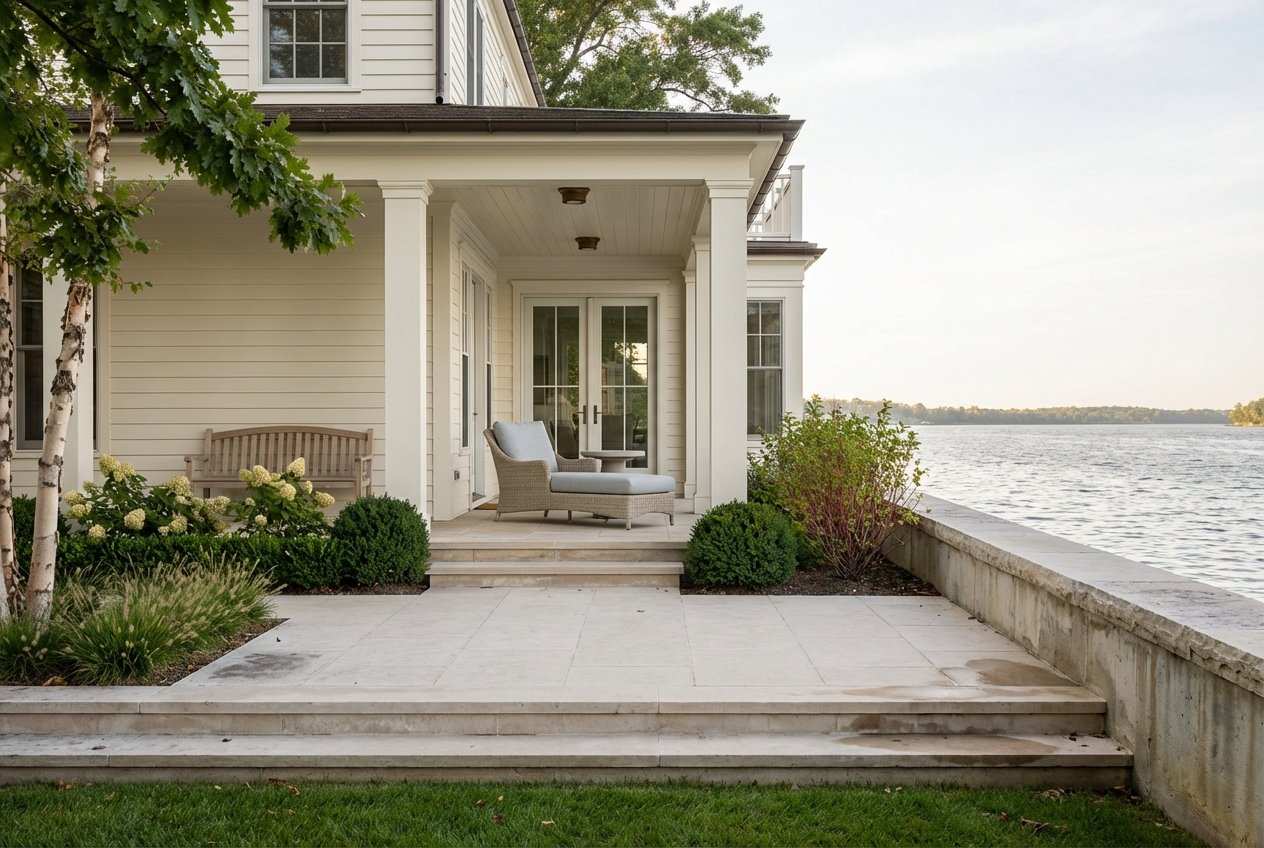
In Port Huron and St. Clair County, housing ranges from early and mid‑20th‑century homes to newer builds and rural properties with wells and septic systems. Michigan’s winters, freeze and thaw cycles, and lake influence can stress roofs, masonry, and plumbing. If you are considering a waterfront home, also plan to evaluate flood risk, shoreline stability, and humidity exposure.
Who you hire matters
Not all inspectors have the same training or reporting standards. Ask about professional certifications such as InterNACHI, ASHI, or NAHI, and request proof of errors and omissions and general liability insurance. Review a sample report to see how detailed and photo‑rich it is, and ask for recent references.
You should also check local permit and building records for major work like additions, roofing, or foundation repairs. For waterfront or older properties, review FEMA flood maps, local floodplain rules, and any elevation certificates that may exist. If the home has a private well or septic, consult Michigan’s Department of Environment, Great Lakes, and Energy guidance on testing and inspections. For air quality concerns, the U.S. EPA provides radon information and testing recommendations that apply across Michigan.
Timeline and what to expect
- Pre‑offer planning: Decide if you will include an inspection contingency and how long it should be. Talk to two or three inspectors in advance and confirm pricing, availability, and report turnaround.
- Scheduling: In typical conditions, you can schedule within 2 to 7 business days after choosing an inspector. Some inspectors require a signed agreement and payment at scheduling.
- On‑site inspection: Plan for about 1.5 to 4 hours or more based on size, age, and complexity. Your attendance is strongly recommended so you can learn about shutoffs, maintenance, and any issues firsthand.
- Report delivery: Many inspectors deliver a digital report with photos within 24 to 72 hours. Some provide same‑day or next‑day results.
- Contingency window: Purchase contracts commonly allow 5 to 10 business days for the inspection period. If you need specialized tests (radon, septic, structural evaluation), build in extra days or request an extension.
- Cost: A typical single‑family home inspection in Michigan often ranges from about 300 to 700 dollars. Larger homes and add‑on tests will cost more.
What inspectors check
A standard whole‑house inspection typically covers:
- Exterior and site: grading and drainage, siding, trim, doors, windows, gutters, and downspouts.
- Roof: shingles or covering condition, flashing, visible decking, chimneys, and signs of leaks.
- Foundation and structure: visible foundation walls, settlement, cracking, and accessible framing.
- Basement or crawlspace: moisture, efflorescence, sump pump presence and condition, vents, and insulation.
- Plumbing: visible supply and drain lines, water heater age and venting, fixtures, and main shutoff.
- Electrical: service entrance, panel type, double taps, GFCI and AFCI protection where required, and visible wiring types.
- HVAC: operation of heating and cooling equipment, filters, ductwork, and venting.
- Interior: doors, windows, finishes, floors and ceilings, and signs of water intrusion.
- Insulation and ventilation: attic insulation levels and attic ventilation.
- Built‑in appliances: basic operation of appliances like the range or dishwasher.
Inspectors generally do not provide repair cost estimates, certify code compliance, or evaluate concealed conditions. When an issue needs deeper evaluation, they will recommend a qualified specialist.
Common Port Huron issues
Older homes and our climate create a few patterns you should watch closely:
- Basement moisture and water intrusion. Flat or poor grading, older drainage, high water tables, or failing sump pumps can lead to damp basements.
- Sump pumps and backups. Many local homes rely on sump systems. Verify operation and consider alarms or backups.
- Roof wear and ice dams. Snow and ice can shorten roof life when insulation or ventilation is inadequate.
- Masonry movement and cracking. Freeze and thaw cycles can damage chimneys and masonry foundations.
- Electrical system age. Some older homes have dated panels, missing GFCI or AFCI protection, or legacy wiring types like knob and tube or aluminum.
- Older plumbing materials. Galvanized or certain plastic lines can be concerns depending on condition and installation.
- Pests and wood‑destroying insects. Older or wood‑framed properties may need a WDI evaluation.
- Septic and well systems. Rural properties may require specialist inspections and water quality tests.
- Waterfront risk. Shoreline erosion, seawalls or bulkhead condition, and floodplain status can affect insurance and maintenance.
- Lead paint risk in pre‑1978 homes. Testing and proper handling matter, especially before renovations.
When to order specialty tests
Depending on the property, consider adding:
- Radon testing. Radon is a known concern in many parts of Michigan. Short‑term tests can identify elevated levels so you can plan mitigation if needed.
- Wood‑destroying insect inspection. Some lenders, including certain VA loans, require a formal WDI report.
- Septic system evaluation. For septic homes, use a licensed inspector to assess the tank, drain field, and pumping history. A dye test or full‑load evaluation may be recommended.
- Well inspection and water tests. Test for bacteria such as coliform and E. coli, nitrates, and other possible contaminants. Inspect well casing, pump, and yield.
- Structural engineer review. If the inspector flags settlement or major movement, a structural engineer can determine scope and likely repair paths.
- System‑specific contractors. Complex HVAC, electrical, or roofing issues are best priced and verified by licensed specialists.
- Mold or indoor air quality testing. If there is visible mold or persistent moisture, consider formal sampling by a specialist.
- Asbestos or lead testing. For older homes and planned renovations, testing helps plan safe work.
How to read your report
Most reports include a summary of key findings, full narratives with photos, and recommended actions. Many also categorize issues by severity such as safety, repair, or improvement.
Prioritize safety hazards first, including electrical fire risks, gas or carbon monoxide concerns, and structural problems. Next, evaluate big‑ticket items like roof condition, foundation issues, HVAC performance, and water intrusion. Cosmetic items can wait or become small bargaining chips.
If the report suggests specialist evaluations, schedule them quickly so you can keep your contingency on track. Ask for contractor bids when you may request seller credits or price adjustments.
Using your inspection contingency
An inspection contingency gives you time to act based on findings. Your options often include:
- Asking the seller to complete specific repairs before closing.
- Requesting a seller credit or price reduction to address repairs after you move in.
- Setting up an escrow holdback for repairs to be finished after closing.
- Canceling the contract if the seller will not address significant issues and your contingency allows it.
Keep your requests specific. Reference the report, list the defects and recommended remedies, and attach estimates when available. Focus on health, safety, structure, water intrusion, and major systems. Cosmetic items rarely move the needle unless the market strongly favors buyers.
Submit your inspection requests within the deadline stated in your contract. Keep everything in writing, including any agreed repairs or credits. Your buyer’s agent can help you prioritize, draft the right paperwork, and negotiate toward a fair outcome.
How your agent helps
A seasoned local agent can streamline this entire process. They can help you select reputable inspectors, coordinate scheduling, and encourage your attendance so you understand the home’s systems. They can also explain which items are typical for our area, recommend trusted specialists, gather bids, and guide you on whether to ask for repairs, request a credit, or walk away if the risk is not acceptable to you.
Tips for a smooth inspection
- Hire a qualified, insured inspector and review a sample report before you book.
- Attend the inspection. Learn shutoff locations and maintenance tasks.
- Include radon testing and, when relevant, septic or well inspections.
- Allow 5 to 10 business days for the inspection period and add time for specialty tests.
- Prioritize safety, structure, water intrusion, and major systems in negotiations.
- Check flood maps, shoreline conditions, and permit histories for waterfront or older homes.
- Use your agent’s local network to obtain reliable contractor opinions and estimates.
Ready to buy in Port Huron or anywhere in St. Clair County? For steady guidance from offer to closing, reach out to Jeff Wine CRS, ABR, GRI for a personal consultation.
FAQs
What does a Port Huron home inspection include?
- A standard inspection reviews major components like the roof, foundation, basement or crawlspace, plumbing, electrical, HVAC, interior, exterior, insulation and ventilation, and basic operation of built‑in appliances.
How long does an inspection and report take?
- Most inspections take about 1.5 to 4 hours or more, and many inspectors deliver a digital report with photos within 24 to 72 hours.
How much do inspections cost locally?
- Many single‑family inspections in Michigan fall in the 300 to 700 dollar range, with larger homes and add‑on testing increasing the fee.
Should I test for radon in St. Clair County?
- Yes, radon is a common concern across Michigan, so adding a short‑term test during your inspection window is a smart step.
What if the inspection finds major issues?
- Use your contingency to request repairs, ask for a credit, pursue an escrow holdback, or cancel if allowed; prioritize safety, structure, water intrusion, and big systems.
Do rural homes need septic or well evaluations?
- For properties with private septic or well, schedule specialist inspections and water tests to verify system function and water quality before your contingency expires.