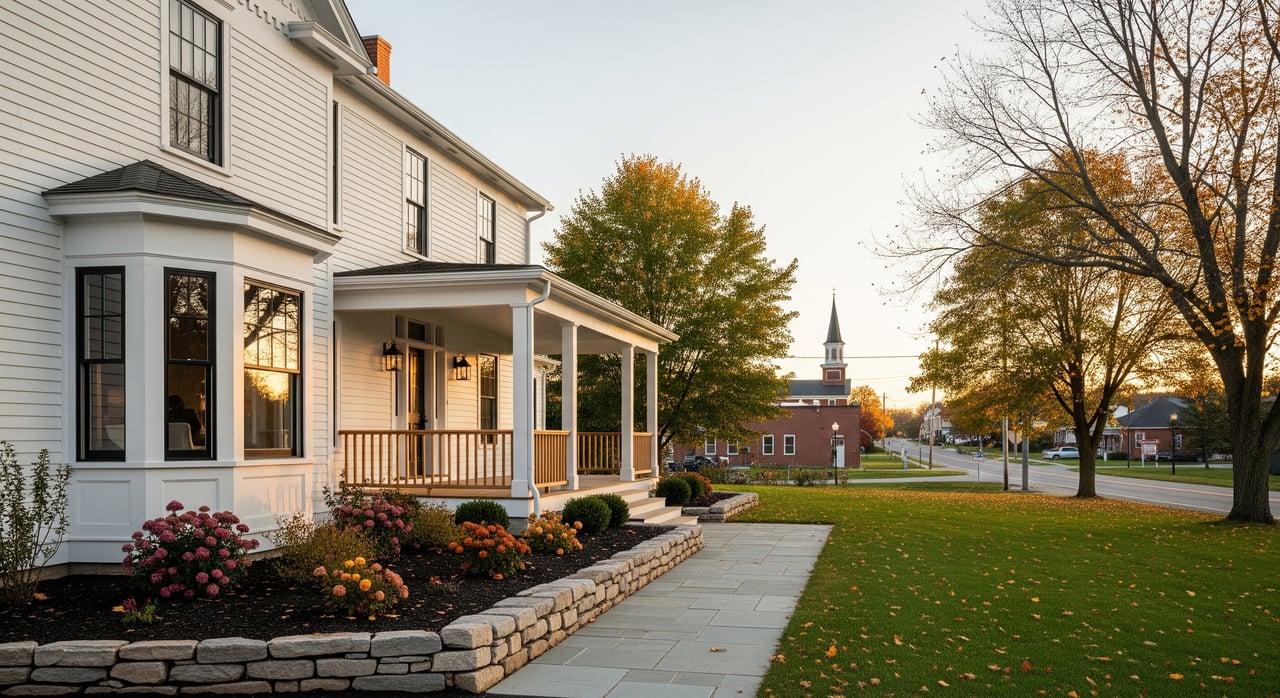
Thinking about trading Metro Detroit convenience for small‑town space and quiet? If you live in Warren, Troy, or Farmington Hills, a move to Yale in St. Clair County can deliver room to breathe, calmer streets, and a closer-knit community. It also brings new routines, from longer drives to well and septic care. This guide highlights what changes to expect and how to prepare so your move feels smooth and smart. Let’s dive in.
Small-town pace vs. suburban convenience
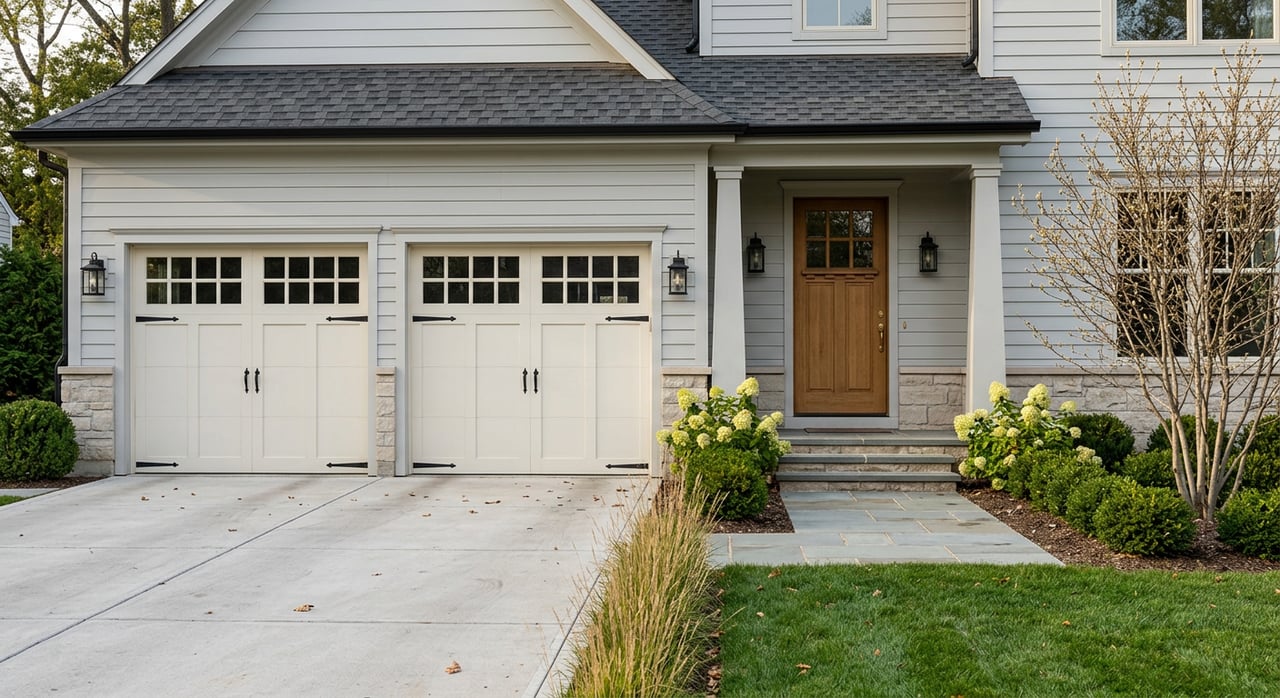
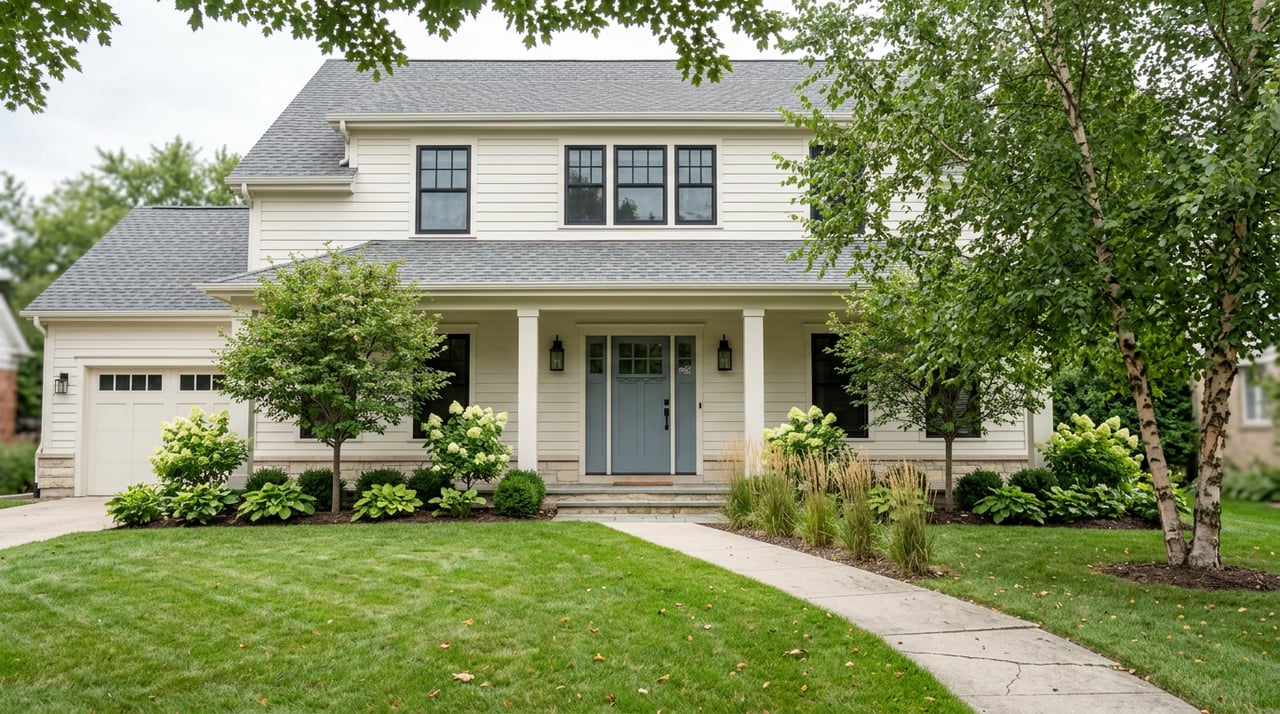
Yale offers a rural‑suburban mix with lower density, larger lots, and more single-family homes. You’ll see older homes in town, farm properties, and newer houses on the outskirts. There are fewer condos and multifamily options than you may be used to in Metro Detroit.
The day-to-day experience is community-forward. You’ll find local events, volunteer groups, and small businesses instead of large commercial centers. Many residents say they gain more space and quiet while giving up a bit of immediate access to big-box shopping and specialty services.
Housing differences to expect
What you’ll find in Yale
- More detached homes and acreage, fewer apartments and condos.
- Larger lots and, in some areas, agricultural zoning. Confirm zoning and future land use before you buy.
- Inventory that can feel tighter than suburban markets. Desirable, move-in ready homes with solid wells and septic systems can go quickly.
- Older systems in some homes that may need updates. Plan for electrical, plumbing, roof, and heating checks.
Buyer inspection priorities
- Well water testing for bacteria and nitrates, and additional tests depending on local geology.
- Septic inspection and pump history. Ask for permits and service records.
- Heating system type and age. Some rural homes use propane or oil.
- Floodplain status if near waterways.
- Broadband and cell coverage confirmation at the exact address.
Seller considerations when moving to Yale
- Pricing uses local comparable sales. Smaller sample sizes can make each sale matter more.
- Stage for rural buyers. Highlight lot size, outbuildings, and recent well/septic care.
- Disclose utility systems, permits, and maintenance histories up front.
Commute and transportation
Daily driving realities
Yale and nearby towns are car-dependent. Public transit options are limited compared with Metro Detroit. If you commute to Warren or Troy, expect more time on the road and build in a buffer for winter weather.
Route planning
Map your primary and backup routes to your workplace. Identify highway options and realistic travel windows. Many residents use hybrid or remote schedules to balance comfort and commute time.
Winter driving prep
- Equip your vehicle with appropriate tires and an emergency kit.
- Keep a flexible schedule when storms roll in.
- Consider a telecommute day or carpool plan during severe weather.
Schools, healthcare, and utilities
Schools and education
Yale is served by a local public school district with a smaller scale than most Metro Detroit districts. If schools matter in your decision, compare official school report cards, graduation rates, and extracurriculars. Private and charter options may be more limited locally. Homeschool networks are sometimes active in smaller communities.
Healthcare access
You’ll find primary care and urgent care close by, with full-service hospitals in larger nearby cities. For specialized or advanced care, you may travel farther into the metro area. If you have ongoing medical needs, confirm provider locations and availability before you move.
Utilities and services
- Water and sewer: Some homes are on municipal systems; many rural properties use a private well and septic.
- Electric and gas: Service varies by area. Confirm providers and service availability for your address.
- Heating fuel: Natural gas where available; otherwise propane, oil, or electric. Verify tank ownership and service records.
- Internet and cell: Rural broadband access varies by street. Confirm provider options and speeds before you write an offer, especially if you work from home.
Taxes, insurance, and regulations
Property taxes and state taxes
Michigan has a flat state income tax and a 6 percent sales tax. Property tax assessments and millage rates vary by municipality and school district, and that can change your annual bill. Review the property’s tax history and contact local offices for current rates.
Insurance and hazard checks
Insurance costs depend on home age, construction, and risk factors like proximity to water. Lenders may require flood insurance in certain areas. For properties with wells and septic systems, insurers may ask about system condition and maintenance records.
Zoning, wells, and septic compliance
If you’re buying acreage or a former farm parcel, confirm permitted uses, conservation easements, and accessory building rules with local zoning. Some municipalities require well and septic documentation at transfer. Check with the county health department early in your process.
Lifestyle and amenities
Shopping and dining
In Yale, you’ll rely on local grocery, diners, and small shops for daily needs. Larger supermarkets and specialty retail are in nearby towns. Plan weekly trips and consolidate errands to save time.
Outdoor recreation
You’ll have easy access to rural trails, seasonal hunting, and boating opportunities within the broader Blue Water region. Many residents balance small-town living with day trips to Metro Detroit for cultural events.
Remote and hybrid work
Remote and hybrid work models make rural living practical for many households. If that’s your plan, prioritize verified broadband and cell coverage when you evaluate homes.
Moving timeline checklist
- 90–60 days out
- Define budget and preapproval. Ask your lender about rural property requirements.
- Shortlist areas and confirm commute and internet options.
- Line up a local agent and schedule tours.
- 60–30 days out
- Offer strategy in place. Plan for well, septic, radon, and water tests in addition to the general inspection.
- Get homeowner’s and flood insurance quotes, including coverage for outbuildings.
- Confirm school enrollment steps and gather student records.
- 30–14 days out
- Set utilities, fuel deliveries, and trash service start dates.
- Verify propane or oil tank status and transfer details.
- Confirm movers, storage, and winter-readiness needs.
- Final week
- Walk-through checklist: water quality test results, septic documentation, heat and fuel levels, roof and mechanical receipts, and internet/cell performance.
- Prepare an emergency kit for move-in and winter.
How a local agent helps
A Yale move is less about flashy statistics and more about the right due diligence. You want clear answers on wells and septic, realistic commute planning, and a smooth handoff on utilities, taxes, and insurance. An experienced local advisor can coordinate inspections, verify zoning and utility details, and price your current home correctly while you shop with confidence in St. Clair County.
If you’re considering a move from Warren, Troy, or Farmington Hills to Yale, let’s talk about your timing, budget, and must-haves. Connect with Jeff Wine CRS, ABR, GRI for local guidance and a plan that fits your goals.
FAQs
How does the Yale commute differ from Metro Detroit?
- Yale is car-dependent with limited transit, so plan for longer drives to job centers and build in time for winter conditions. Many residents use hybrid or remote schedules.
What inspections should I prioritize for a rural Yale home?
- In addition to a general inspection, schedule well water testing, a septic inspection with pump records, a heating system check, and floodplain verification if near waterways.
Will I have reliable internet for remote work in Yale?
- Broadband coverage varies by street. Confirm providers and tested speeds at the exact address before you make an offer or remove contingencies.
How will property taxes change when I move to St. Clair County?
- Tax bills vary by municipality and school district. Review a property’s tax history and contact local offices for current millage rates and assessments.
Are there many condos or townhomes available in Yale?
- Yale’s housing stock is mostly single-family homes and rural properties. Attached housing options are more limited than in Warren, Troy, or Farmington Hills.
What should I know about winter readiness for a Yale property?
- Service the HVAC, check insulation, confirm fuel supply and tank status, and keep an emergency kit in your vehicle. Plan flexible commute options during storms.