Water at your doorstep is a dream, but buying waterfront in Port Huron works differently than buying inland. You have more to evaluate, from shoreline stability and docks to flood insurance and permits. With the right plan, you can enjoy the Blue Water lifestyle while protecting your investment. This guide walks you through what to check, who to call, and how to move forward with confidence. Let’s dive in.
Port Huron waterfront basics
Port Huron sits where Lake Huron flows into the St. Clair River. Waterfront homes here may front Lake Huron, the St. Clair River, or smaller connected canals and bays. The river is part of the Great Lakes–St. Lawrence Seaway, so you will see commercial ships and feel current and wake. In winter, ice and spring breakup can strain docks, bulkheads, and shoreline structures.
River vs. lakefront differences
Owning on Lake Huron involves littoral rights, while owning on the St. Clair River involves riparian rights. In both cases, private ownership typically extends to the ordinary high water mark, not the water itself. On the river, expect current, ship traffic, and wakes that affect dock design and boat handling. On the lake, wave energy and storm exposure can influence shoreline protection and maintenance.
Permits and rules to know
Shoreline work usually needs approvals at multiple levels. State permits commonly run through Michigan’s Department of Environment, Great Lakes, and Energy. Federal permits may apply through the U.S. Army Corps of Engineers for work in navigable waters. City of Port Huron and St. Clair County rules cover zoning, setbacks, and building, and U.S. Coast Guard rules govern navigation near shipping channels. Confirm the permit history for any existing dock, bulkhead, dredging, or lift before you close.
Flood risk and insurance
Waterfront homes may sit in FEMA flood zones such as AE, VE, or A. Your home’s Base Flood Elevation matters for insurance and lending, and an elevation certificate may be required. Standard homeowner coverage excludes flood damage, so you may need a National Flood Insurance Program policy or a private flood policy. Get a flood zone check and an insurance quote early so you understand coverage and cost before you make an offer.
Shoreline and dock health
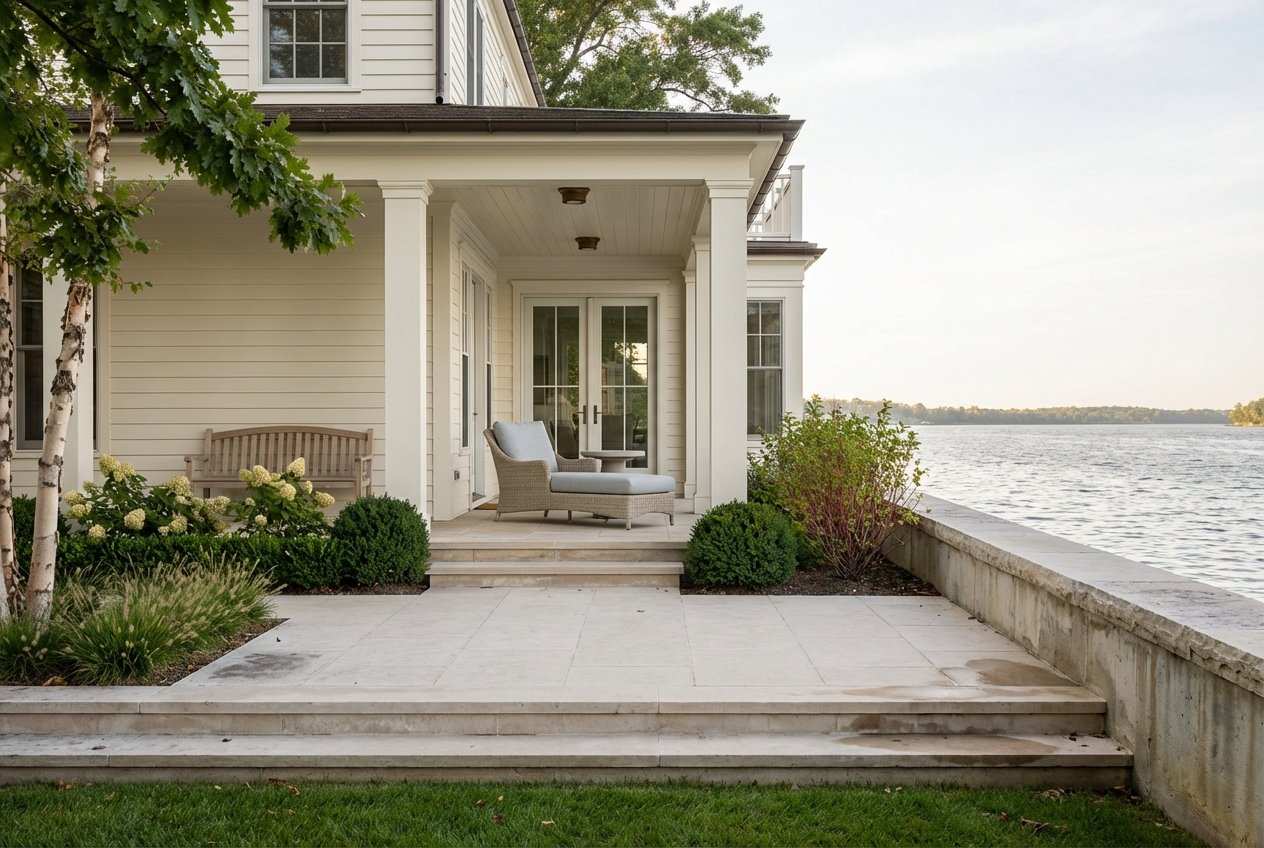
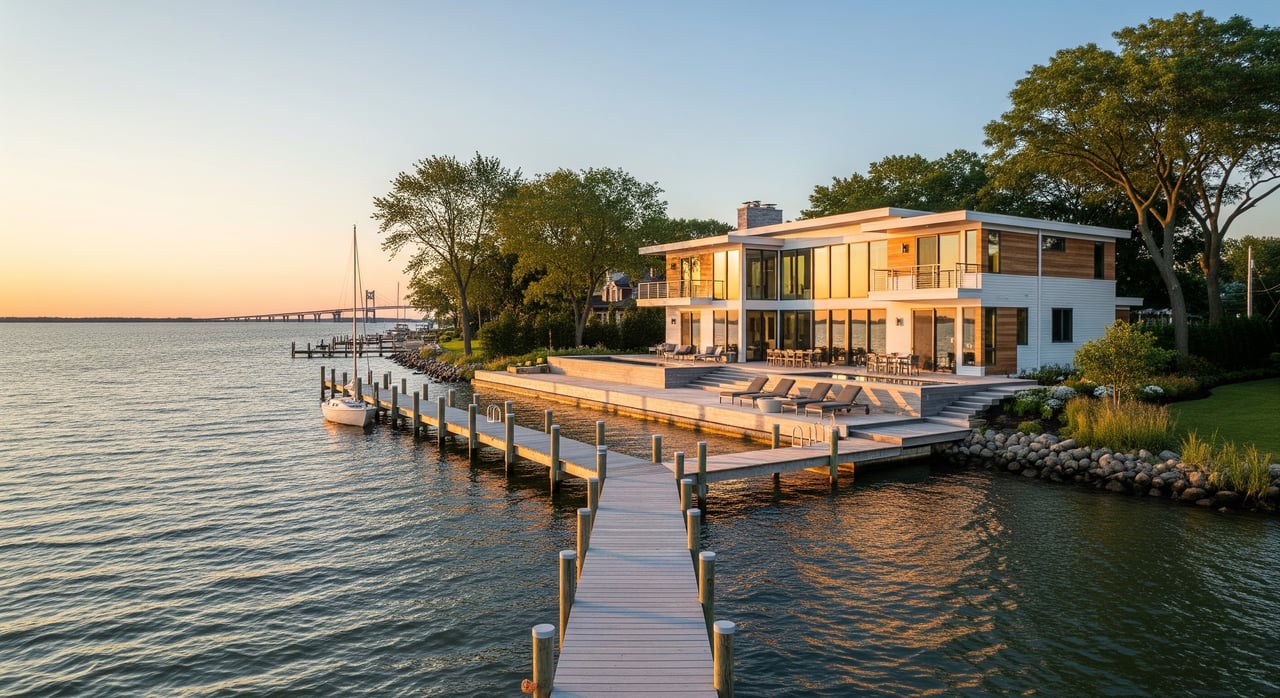
Inspect bulkheads, retaining walls, and riprap for cracks, tilting, settlement, or signs of scour. Look for erosion, undercutting, and the relationship between the home’s elevation and past high-water events. Docks vary by type, including seasonal floating, fixed-pile, and lifts, each with different upkeep and ice risk. Consider a marine contractor and, when needed, a structural or geotechnical engineer to evaluate shoreline stability.
Utilities and infrastructure
Confirm whether the home connects to municipal sewer and water or uses a private septic and well. Ask the county health department for septic and well permits and maintenance records. Check any dock electrical for safe wiring and code compliance. Review access roads, snow removal, and any shared easements that affect your daily use.
Environmental and zoning checks
Wetlands or protected shoreline areas can limit changes and trigger mitigation requirements. Aquatic invasive species like zebra mussels can influence dock maintenance and water use. Ask about any conservation easements or deed restrictions that shape what you can build or remove. Local shoreline setbacks, lot coverage limits, and rules for nonconforming structures will affect future plans.
Documents to request early
- Current property survey showing boundaries, waterline or ordinary high water mark, easements, and improvements.
- Title search and commitment, noting shoreline easements, public or private access, and any encroachments.
- Copies of permits for the dock, bulkhead, dredging, or shoreline modifications.
- City and county building permit history for additions, seawalls, or shoreline work.
- Elevation certificate if the home is in or near a mapped flood zone.
- Septic and well permits, maintenance records, and septic tank location.
- Prior insurance loss history from the seller when available.
Inspections to schedule
- General home inspection for structure, roof, and mechanicals.
- Marine and dock inspection covering pilings, hardware, flotation, and electrical.
- Shoreline and bulkhead assessment by a contractor or engineer.
- Septic inspection and dye test if applicable.
- Well water testing for bacteria, nitrates, and lead if older piping exists.
- Geotechnical or erosion evaluation if you see instability or high-water impacts.
- Updated survey to confirm the ordinary high water mark if older records are unclear.
What to check on walkthrough
- Signs of prior flooding or water intrusion in basements or crawlspaces.
- Mold, mildew, and staining at lower levels and near openings.
- Slope, vegetation, and stabilization measures at the shoreline.
- Dock condition, including loose boards, rot, rusted hardware, and electrical hazards.
- Maneuvering space from the dock for your boat size and expected currents.
Living on the St. Clair River
Proximity to marinas, public launches, and the shipping channel influences daily activity and noise. Boating rules, speed limits, and no-wake zones vary by location and affect dock safety and shoreline wear. Some buyers prefer marina slips over private docks, so confirm availability, fees, and waitlists early. If an HOA is involved, review rules on watercraft type, docking, and maintenance.
Buyer steps and timeline
- Research the market and create a shortlist of target homes.
- Run early flood zone checks and request preliminary insurance quotes for your top choices.
- Write offers with contingencies for survey or elevation certificate, marine and dock inspections, septic and well inspections, and a permitability review for planned projects.
- Schedule specialized inspectors quickly if contingencies apply.
- Verify permit history, title matters, and recorded easements before closing; obtain title insurance.
- Coordinate local contractors and insurance so coverage and maintenance plans are set for move-in.
How a local agent helps
A Port Huron agent with waterfront experience can save you time and risk. You should expect guidance on local permitting norms, timelines, and who to call at city, county, state, and federal offices. A strong vendor network matters for marine contractors, shoreline engineers, surveyors, septic and well pros, and insurance brokers who understand Great Lakes exposures. You also benefit from accurate pricing for riverfront vs. lakefront vs. canal properties, and negotiation strategies that account for dock condition, shoreline integrity, and permits.
Final takeaways
Buying waterfront in Port Huron is about more than the view. Confirm legal boundaries and ordinary high water mark, flood exposure and insurance costs, dock and shoreline condition, and permit history before you commit. Back up your offer with the right inspections and documentation, and plan your boating and maintenance needs upfront. With a clear checklist and the right local support, you can enjoy the water with confidence.
Ready to talk through a specific property or plan your search? Connect with Jeff Wine CRS, ABR, GRI for calm, expert guidance backed by decades of Blue Water experience.
FAQs
Do you own to the waterline on Lake Huron or the St. Clair River?
- In Michigan, private ownership typically extends to the ordinary high water mark, while the state holds title to submerged lands below that line; confirm details in your deed and survey.
Can you add or replace a dock or seawall?
- Often yes, but most shoreline work needs state approvals and may also require federal and local permits; even rebuilding in place usually needs a review.
Is flood insurance required for Port Huron waterfront homes?
- If a lender is involved and the home is in a Special Flood Hazard Area, flood insurance is required; many owners outside those zones still choose coverage.
What are typical waterfront maintenance costs?
- Expect ongoing shoreline stabilization or bulkhead upkeep, dock repairs or replacements, potentially higher insurance premiums, and seasonal maintenance tied to storms and ice.
How do shipping traffic and wakes affect St. Clair River living?
- Currents and wakes can be significant near the channel, influencing dock design, boat handling, and noise levels; location on the river makes a noticeable difference.
How do Great Lakes water-level changes impact use and value?
- Multi-year and seasonal water-level shifts can raise flood and erosion risk at highs and affect dock usability at lows, so plan design and insurance with these swings in mind.