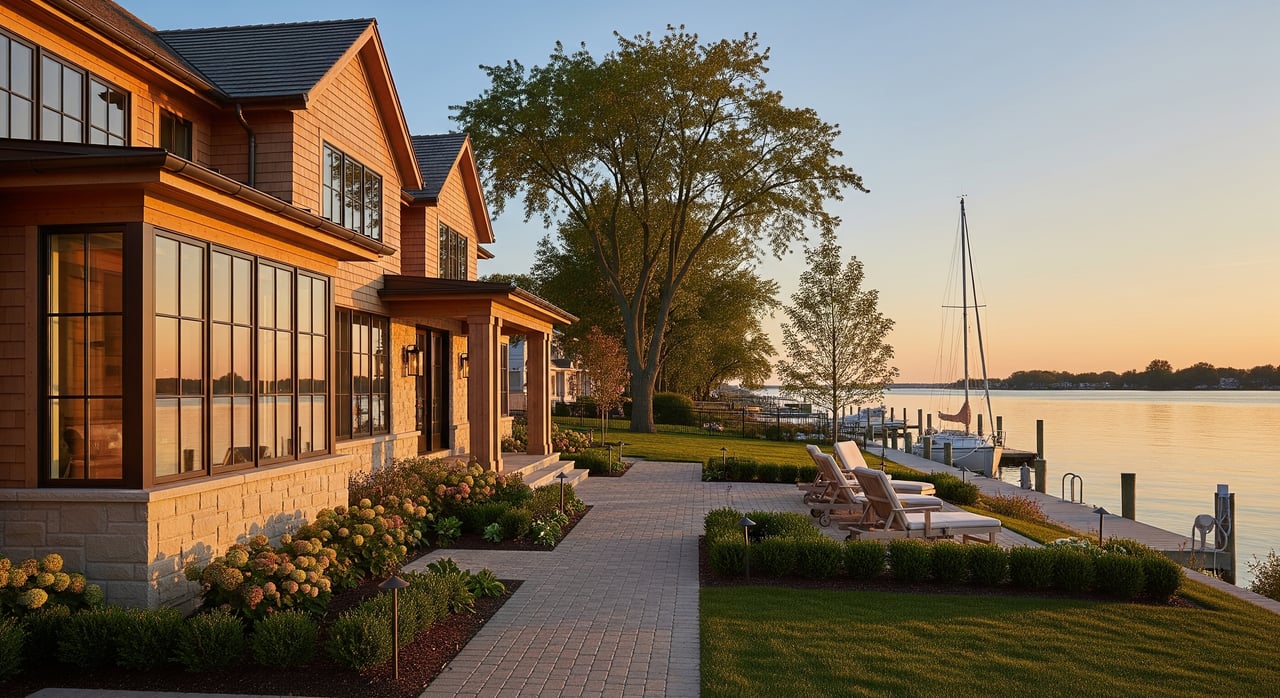
Thinking about buying a rental in Marysville but not sure if it will pay off? You’re not alone. In a smaller, riverfront city like Marysville, the numbers can look different than they do in big metro areas. In this guide, you’ll learn how demand works here, which property types fit the market, how to run the key returns, and what risks to underwrite before you buy. Let’s dive in.
Marysville rental market basics
Marysville is a small St. Clair County community on the St. Clair River. The market is primarily residential, with demand shaped by local employment, nearby Port Huron, and lifestyle appeal along the river. Smaller markets tend to have lower transaction volume and steadier turnover than large metros, so patience and careful underwriting matter.
You’ll also see pricing and rent potential vary by proximity to the river and regional job centers. Waterfront can command a premium, while homes farther from the river lean on access to major roads and commuting routes. Expect localized pricing driven by county-level demand rather than large tech or university hubs.
Who rents in Marysville
Renters here are mostly local and regional. You’ll find a mix of families, blue-collar workers, service and healthcare employees, and retirees. Some seasonal visitors may influence demand for well-located waterfront units, though most rental demand is long-term and locally driven.
Commuting to Port Huron and other St. Clair County towns influences interest in single-family rentals and small multifamily homes. If you target family renters, look for neighborhoods close to parks, services, and everyday amenities.
How to estimate rent and demand
Getting rents right is the foundation of your analysis. Use recent, comparable leases for single-family homes and small multifamily properties in Marysville and nearby Port Huron. Check current rental listings and consult local property managers for live feedback on vacancy and tenant preferences.
Keep seasonality in mind if you are evaluating riverfront or near-river options. Short-term stays may be attractive in peak months, but verify local rules before modeling that strategy. For most investors, long-term leases will be the baseline.
Practical rent-comp steps
- Pull 6 to 12 months of comparable rentals in Marysville and Port Huron.
- Cross-check asking rents with at least 3 to 5 executed leases.
- Talk with a local property manager about tenant demand, vacancy, and typical lease terms.
- Note any utilities the landlord commonly pays, since this affects net income.
Key numbers to run on every deal
A solid underwriting process helps you compare properties and stress-test your returns.
GRM for quick screening
Gross Rent Multiplier (GRM) = Purchase price / Annual gross rent. Use it to rank options fast. Lower GRM can suggest better income relative to price, but you still need a full expense model to confirm.
NOI and cap rate to compare value
Net Operating Income (NOI) = Gross rent minus vacancy and operating expenses. Cap rate = NOI / Purchase price. In smaller markets, cap rates are often modest. Decide your target based on risk tolerance and the property’s condition.
Cash-on-cash to judge financing impact
Cash-on-Cash Return = Annual pre-tax cash flow / total cash invested. Model multiple interest-rate scenarios, since higher rates reduce cash flow. Include closing costs and any initial repairs or upgrades in your cash invested.
DSCR for lender readiness
Debt Service Coverage Ratio (DSCR) = NOI / annual debt service. Many lenders expect a minimum level of coverage, so build a cushion in your projections.
Expenses to budget in St. Clair County
Accurate expenses can make or break a Marysville rental deal. Budget realistically and verify each line item.
- Property taxes. Check the property’s tax history through county records. Rentals do not typically qualify for homestead exemptions, and taxes may reset upon sale.
- Insurance. Get quotes early. Riverfront or flood-zone properties can carry higher premiums, and some lenders require flood insurance.
- Utilities and services. Confirm who pays for water, sewer, trash, and any HOA fees. Add lawn care and snow removal if you plan to include them.
- Maintenance and repairs. Older homes common in small cities may need more ongoing work. Reserve funds for routine and unexpected fixes.
- Property management. Expect around 6 to 12 percent of collected rent, or a flat fee with some managers.
- Vacancy. Use a conservative allowance of 5 to 10 percent based on local history and your unit’s appeal.
- Capital expenditures. Budget annual reserves for big-ticket items like roof, HVAC, and exterior systems. Older housing stock may require higher reserves.
Local rules, taxes, and risk checks
Michigan state law governs deposits, evictions, disclosures, and habitability. Local ordinances can add rental licensing, inspection requirements, and short-term rental rules. Before you buy, review the City of Marysville’s code and confirm whether your target property needs a rental license or inspection.
Property taxes are set at the county and city levels. Verify the parcel’s past assessments and model any changes that can occur after a transfer. If the property is close to the St. Clair River or in a mapped flood zone, obtain FEMA flood maps and insurance quotes early. For properties near industrial areas, review available environmental records to understand any potential nuisance or remediation concerns.
Property types that work here
Different rental types can fit Marysville, depending on your goals and risk tolerance.
- Single-family homes. A common choice that appeals to families and long-term renters. Offers simpler management and lower turnover risk for stable tenants.
- Duplexes and small multifamily. Two to four units can diversify income and boost cash flow if zoning allows. Underwriting is similar, but expect different maintenance needs and potential common-area costs.
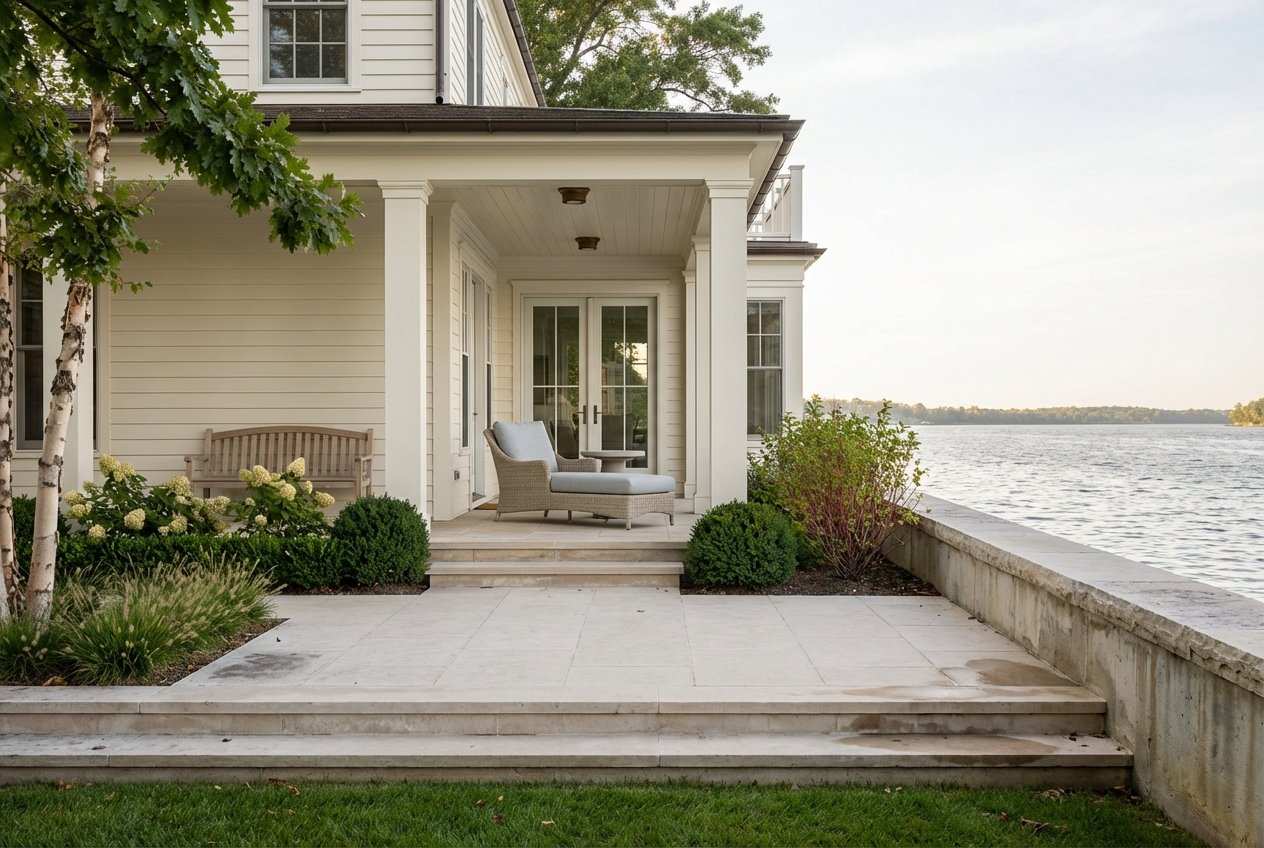
- Waterfront units. These can command premium rents and strong demand. Balance the higher purchase price against potential flood insurance, maintenance, and seasonal vacancy exposure.
Rehab and maintenance realities
In small-city markets, many properties are older and may require more capital over time. During inspection, pay extra attention to foundations, roofing, HVAC, electrical, and plumbing. If the home was built before 1978, include lead-based paint considerations in your plan.
Also, confirm local contractor availability and typical project timelines. In smaller towns, trades can be booked out longer, which may affect your turn times and carrying costs between tenants.
Due diligence checklist
- Market comps: Pull 6 to 12 months of comparable sales and rentals in Marysville and Port Huron.
- Rent estimation: Validate with listings, executed leases, and property manager input.
- Operating expenses: Verify property tax history, insurance quotes, utilities, HOA, and management.
- Physical inspection: Add sewer or septic checks as needed, and review for flood mitigation.
- Zoning and compliance: Confirm allowed use, occupancy limits, and any open code issues.
- Title and environmental: Standard title work plus a look for known environmental concerns nearby.
- Financing stress-test: Model rates, vacancy, and CAPEX at conservative levels.
- Licensing and tenant law: Confirm any local rental licensing, inspections, and short-term rental rules.
- Insurance and flood: Pull maps, elevations, and quotes before finalizing your offer.
- Exit strategy: Decide if you will hold, renovate, convert, or sell, and assess resale liquidity.
When Marysville is a smart buy
Marysville can be a smart buy if you want income-oriented properties at a lower entry price than major metros and you underwrite with care. The path often looks like steady cash flow, conservative appreciation, and a focus on long-term tenants. Waterfront can boost rent potential, but you must price in insurance, maintenance, and vacancy risk.
Compare your yields to nearby Port Huron and to broader regional markets to judge the opportunity cost. If your model shows solid cash flow under conservative assumptions, and you are comfortable with a smaller market’s slower resale pace, Marysville can deliver a stable, locally driven investment.
How a local expert supports your plan
A seasoned local advisor helps you source better comps, flag flood and zoning issues early, and connect with managers, lenders, and contractors who work this market every day. You get cleaner underwriting, smoother compliance, and more reliable outcomes.
If you’re exploring a Marysville rental, reach out to Jeff Wine CRS, ABR, GRI for local guidance, property scouting, and contract-to-close support.
FAQs
Will a Marysville rental cash flow in today’s market?
- It depends on purchase price, mortgage rate, and realistic rents; model conservative vacancy, taxes, insurance, and CAPEX to confirm positive monthly cash flow.
What financing options exist for small rentals here?
- Conventional and portfolio loans are common for single-family rentals, and owner-occupants may use certain programs on 2 to 4 units; local banks and credit unions can be helpful.
Are waterfront rentals worth the premium in Marysville?
- They can achieve higher rents and demand, but come with higher insurance, maintenance, and potential seasonal vacancy, so underwrite carefully.
How do I estimate property taxes for a rental in St. Clair County?
- Pull the parcel’s tax history from county records, confirm the non-homestead classification, and model any assessment changes after a transfer.
What local rules might affect my rental plan in Marysville?
- Review the city’s rental licensing and inspection requirements, check zoning for allowed uses, and verify short-term rental rules before marketing an STR.