Thinking about selling your St. Clair home but unsure how long it will take or what happens when? You are not alone. In a smaller market like St. Clair, timing can feel unpredictable, especially if you are juggling repairs, showings, and your next move. This guide gives you a clear, step-by-step timeline from decision to closing, with Michigan-specific rules and smart ways to keep your sale on track. Let’s dive in.
Know market timing in St. Clair
City-level sales data in St. Clair can swing because there are fewer monthly closings. That means time on market can vary widely from one listing to the next. At the county level, conditions lately have leaned balanced to slightly seller-friendly, which supports reasonable expectations for a well-priced, well-presented home. A practical plan is to expect offers within 1 to 6 or more weeks after going live, and build in flexibility for outliers based on price, condition, and property type.
Your step-by-step seller timeline
Phase A: Decide and prep (2–8+ weeks)
- Interview agents and request a comparative market analysis (CMA). Choose a pricing strategy that matches local demand.
- Complete minor repairs, deep clean, declutter, and plan light staging. Allow more time if permits or bigger projects are involved.
- Gather documents like receipts, warranties, permits, and title details. Decide if a pre-listing inspection makes sense for your situation.
- Complete the Michigan Seller’s Disclosure early so it is ready for buyers. Under state law, it must be delivered before you sign a binding purchase agreement. Review the Seller’s Disclosure Act requirements.
Phase B: Pre-marketing and list (1–2 weeks)
- Schedule professional photos and a 3D or video tour once the home is show-ready.
- Finalize your listing copy and disclosures. Load the MLS and launch targeted digital and broker outreach.
- Plan first-week showing blocks or an open house. Competitive listings can see early interest, while others may need ongoing showings and feedback-driven adjustments.
Phase C: Offers and contract (0–3 days)
- Review offers and negotiate price, timing, and contingencies. Clarify closing costs and possession details.
- Sign the purchase agreement once terms work for you. Confirm that your completed Seller’s Disclosure went out before signing to avoid a statutory rescission window. Michigan gives buyers up to 72 hours after in-person delivery, or 120 hours after registered-mail delivery, if disclosures arrive after signing. See the Seller’s Disclosure Act.
Phase D: Under contract to close (commonly 2–6 weeks)
- Inspections: Buyers typically have about 7 to 10 days to inspect, depending on the contract. They usually schedule right after acceptance. Learn how inspection results impact next steps in this practical inspection overview.
- Appraisal: For financed buyers, lenders usually order the appraisal soon after contract. Allow roughly 1 to 2 weeks for scheduling and the report.
- Underwriting: Financed deals often take about 30 to 45 days from acceptance to closing. Cash buyers can sometimes close sooner, depending on title and logistics.
Phase E: Final walk-through and closing (1–3 days)
- Expect the lender’s final closing disclosure at least three business days before you sign.
- The buyer’s final walk-through typically happens within 24 hours of closing.
- On closing day, you sign, funds are wired, and the title company records the deed. Build in a small buffer for wire confirmations or last-minute lender items.
Key legal and cost checkpoints in Michigan
- Seller’s Disclosure: Michigan requires a written disclosure delivered before you sign a binding agreement. If delivered late, buyers may cancel within a short statutory window. Plan disclosure completion as part of your pre-list checklist. Read the Seller’s Disclosure Act.
- Lead-based paint: If your home was built before 1978, you must provide the federal lead disclosure pamphlet and any known reports. Buyers may seek a lead risk assessment. See the EPA lead disclosure rule.
- Transfer taxes: Michigan collects state and county real estate transfer taxes at recording. The combined rate is commonly expressed as $4.30 per $500 of price. Confirm who pays in your contract and closing instructions. Review the state transfer tax statute and see a county explanation of rates and collection at recording in these fee guidelines.
- Tax proration: Michigan contracts should specify how property taxes are prorated so there are no last-minute surprises on the settlement statement. Here is a clear explainer on Michigan tax proration.
- Recording forms: The title company prepares necessary affidavits and forms. For reference, see the state’s transfer valuation form instructions.
St. Clair waterfront and flood notes
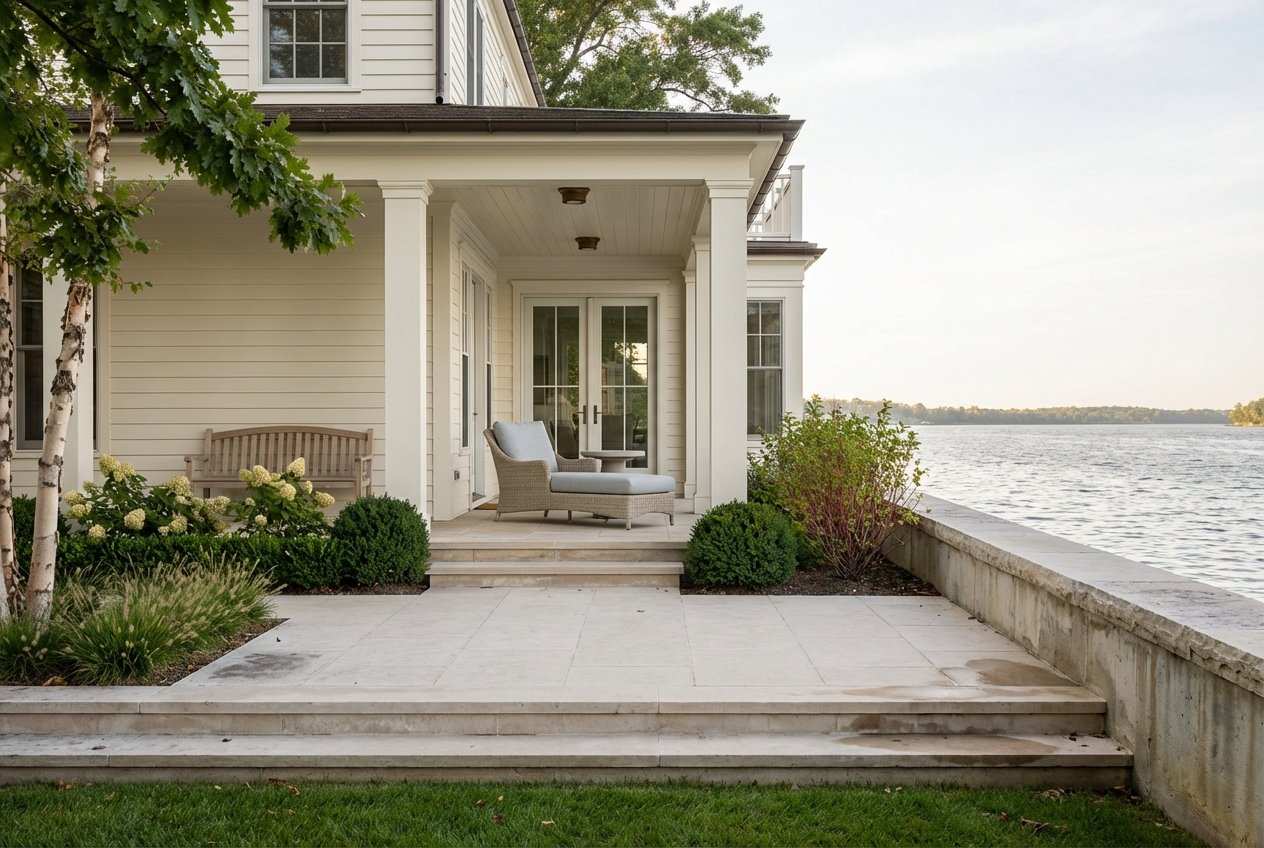
If your property is on or near the St. Clair River or flood-mapped areas, surface any flood insurance policies, claims history, or elevation certificates early. Lenders may require flood coverage for buyers, and late-arriving insurance details can slow underwriting. Disclose known conditions on your Seller’s Disclosure and provide documents up front for smoother approvals. Early clarity here protects your timeline.
Eight-week sample plan
- Weeks −8 to −6: Interview agents, request a CMA, and decide on your move plan. If permits or larger repairs are needed, book vendors now.
- Weeks −6 to −4: Complete major repairs. If you want a pre-list inspection for septic, well, roof, or mold, schedule it and gather reports.
- Weeks −4 to −2: Deep clean, declutter, stage key rooms, and refresh landscaping. Schedule photos and 3D/video.
- Week −1: Final staging, photos, and listing copy. Complete the Seller’s Disclosure and deliver it to your agent for distribution to buyers.
- Listing live (Week 0): Launch on MLS and marketing channels. Expect interest in week one in active segments, and allow several weeks of showings if needed.
- Under contract to close (Weeks 0 to 6): Inspection window (often 7–10 days), appraisal (about 1–2 weeks), and lender underwriting. Financed closings typically target 30–45 days from acceptance.
Documents to gather early
- Deed and any title-related paperwork
- Recent tax bills and assessment notices
- HOA documents and contacts, if applicable
- Receipts, warranties, and permits for improvements
- Septic, well, or water-quality records, if applicable
- Insurance claim history or flood documentation
How your agent saves time
Working with an experienced local agent often improves outcomes and reduces risk. National data show most sellers use agents and agent-assisted listings typically achieve stronger results compared with for-sale-by-owner routes. See highlights from the NAR 2025 Profile of Home Buyers and Sellers.
Here is how a seasoned St. Clair listing agent can protect your timeline:
- Pricing precision: Use county and nearby comps to avoid small-sample outliers and set a strategy that drives early, credible offers.
- Paperwork readiness: Complete and deliver the Michigan Seller’s Disclosure before offers to avoid rescission windows and reduce friction.
- Vendor network: Lean on trusted contractors, inspectors, title pros, and specialty services, especially for waterfront or septic/well needs.
- Marketing that matters: High-quality photography and tours, with targeted reach to out-of-area buyers, are difference-makers in smaller markets.
- Contingency management: Coordinate inspections, appraisal access, and title clearing so deadlines are met and momentum is preserved.
What to expect from list to close
If your home is in typical condition and you accept a conventional-financed offer, plan on roughly 30 to 45 days from acceptance to closing. Including prep and marketing, the full journey from decision to recorded sale often runs 6 to 12 weeks, depending on repairs and market speed. Cash or investor purchases can shorten that timeline if title work is clean and logistics are straightforward. A clear plan, early disclosures, and proactive communication keep you in control at every step.
Ready to map out your sale and timeline with a local pro who will personally manage the details? Reach out to Jeff Wine CRS, ABR, GRI for a free pricing consult and a step-by-step plan tailored to your St. Clair home.
FAQs
How long does it take to sell a St. Clair home?
- Many sellers see activity in the first 1 to 6 or more weeks, with financed closings often 30 to 45 days after acceptance and total timelines commonly 6 to 12 weeks.
When must I deliver Michigan’s Seller’s Disclosure?
- Before you sign a binding purchase agreement; late delivery can trigger a statutory window for the buyer to cancel. See the Seller’s Disclosure Act.
What inspections happen after I accept an offer?
- Buyers usually schedule a home inspection right away with a 7 to 10 day window, and lenders order an appraisal soon after; timing varies by contract and availability.
How are Michigan transfer taxes handled at closing?
- State and county transfer taxes are typically collected at recording and appear on your settlement statement; the combined rate is commonly $4.30 per $500 of price. Review the transfer tax statute.
How does flood insurance affect a St. Clair sale?
- For waterfront or mapped flood zones, lenders may require flood insurance; providing policies and elevation documents early helps prevent underwriting delays.
Can a cash buyer close faster in St. Clair?
- Often yes, because there is no loan underwriting; if title is clear and logistics are simple, some cash deals can close significantly sooner than financed ones.