Water out your back door or more yard for summer cookouts? If you have chosen St. Clair and now you are weighing waterfront versus inland, you are not alone. Both options offer real value, but they come with different price patterns, maintenance needs, and insurance considerations. In this guide, you will see how the two compare in St. Clair so you can match your lifestyle and budget with confidence. Let’s dive in.
St. Clair market snapshot
Recent city-level data shows a median sale price near the high $200s for St. Clair, while the broader 48079 ZIP runs higher in the mid $300s. Differences reflect city versus ZIP geography and data methods. Use these as orientation numbers, not appraisals for a specific home. Your final price will ride on condition, size, age, frontage, and updates.
Waterfront is not a single-price market in St. Clair. Smaller or older riverfront condos and fixer cottages have sold in the low-to-mid $200s. Larger updated riverfront homes and turnkey riverfront condos often trade from the mid $300s to upper $700s, and restored historic estates can approach or cross the $900k to $1M mark. Inland listings usually cluster lower for comparable square footage, with many well-kept homes appearing in the roughly $150k to $500k range depending on size and finishes.
Waterfront vs. inland: what you will see
Waterfront features
- Linear parcels along Riverside Avenue/River Road with measured frontage and long, narrow yards to the St. Clair River.
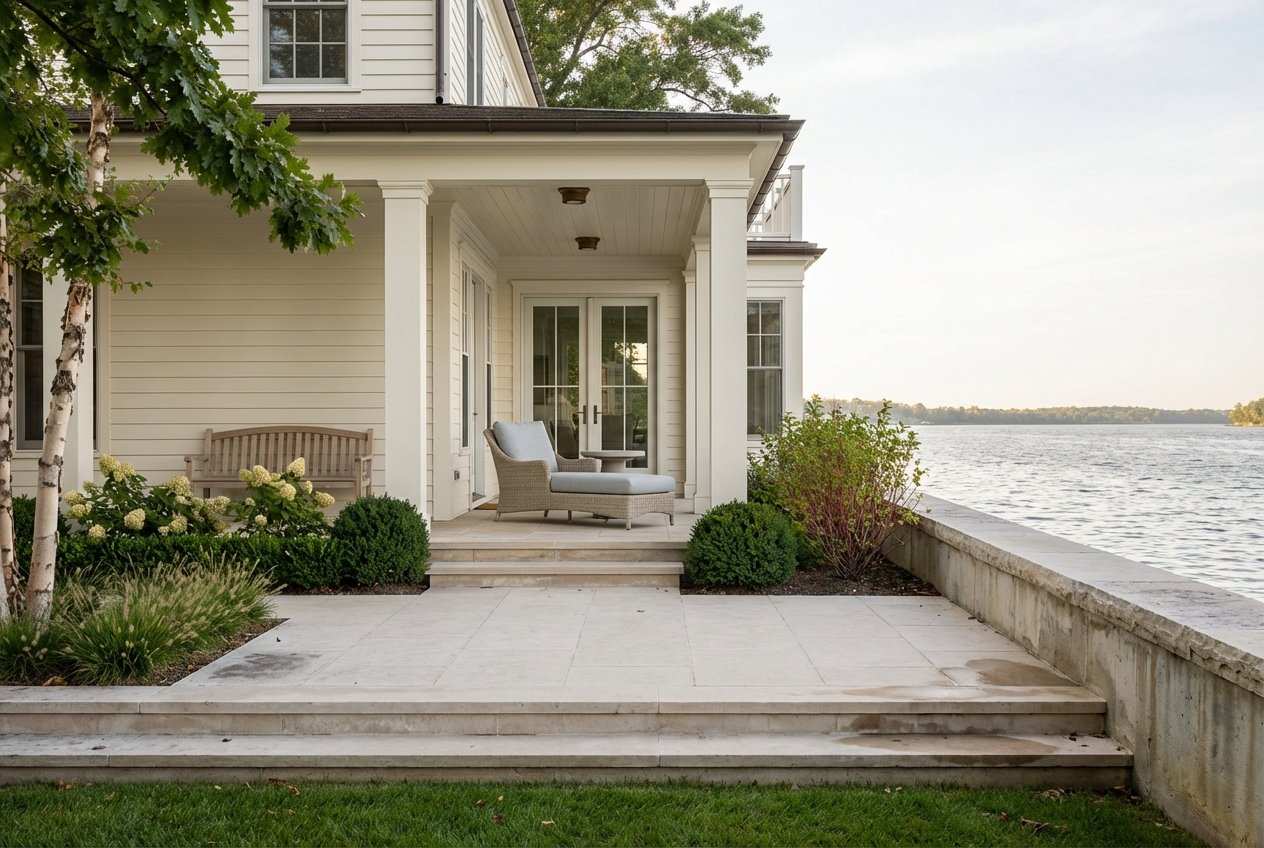
- Structural shoreline elements such as steel or concrete seawalls, private docks and boat lifts, or shared/common waterfront in condo communities. The condition of seawalls and docks is a major cost factor over time.
- Many downtown-area riverfront properties connect to public water and sewer. Always confirm utility hookups and any assessments.
- Architecture ranges from early 1900s river estates and midcentury ranches to infill and condo developments. Older homes offer character and may require more ongoing maintenance.
Inland features
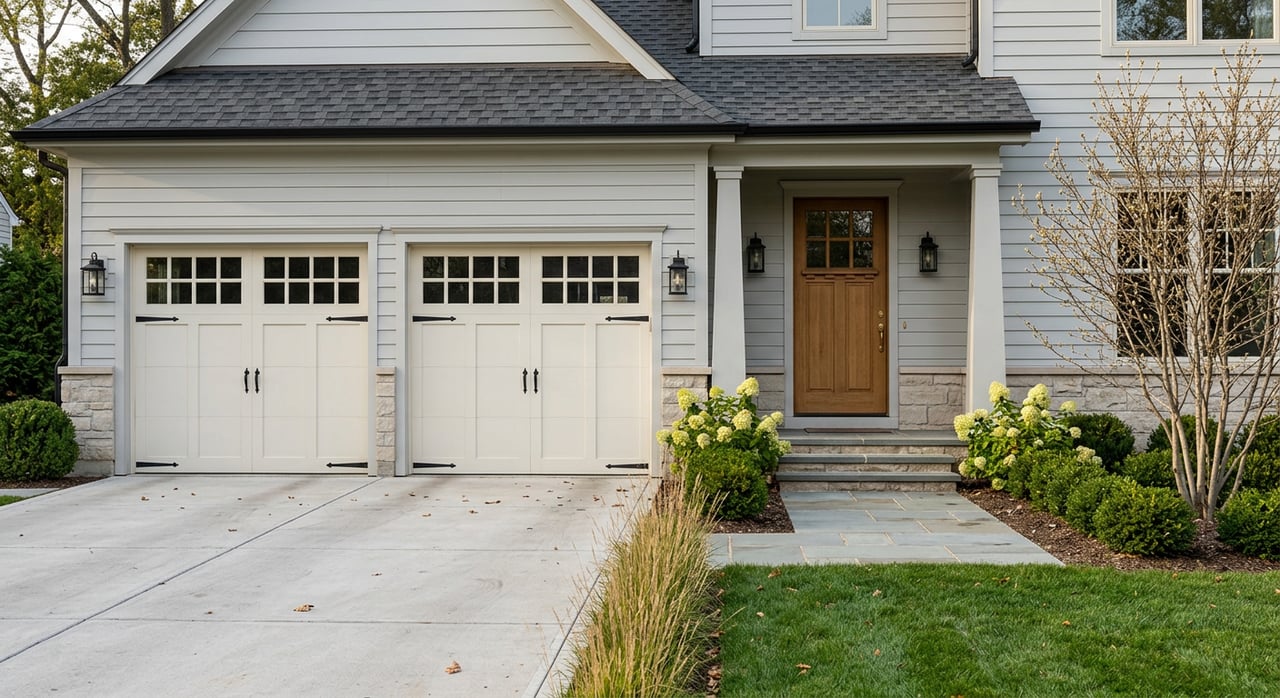
- Deeper lots and cul-de-sac subdivisions that trade river frontage for more private yard, driveway, and garage space.
- Inside city limits, many homes have municipal services. Farther into the township, you may see well and septic systems. If so, plan for well quality and septic inspections as part of due diligence.
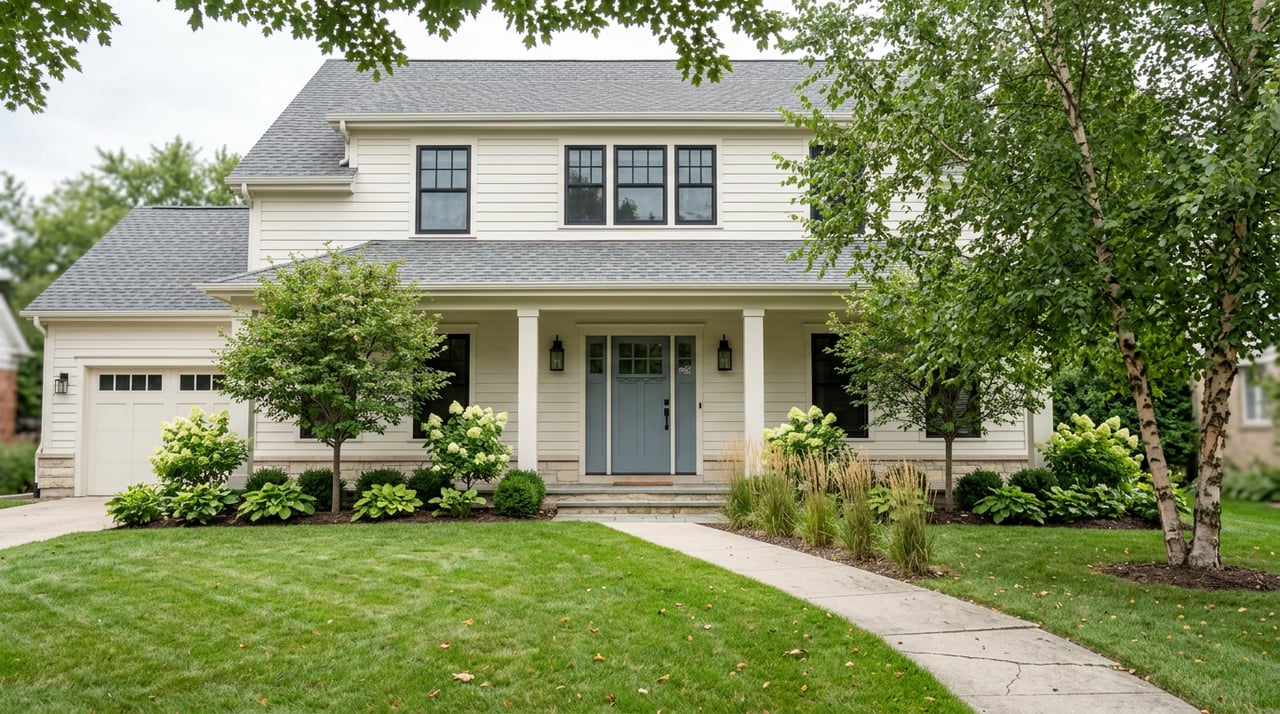
- A mix of modest bungalows, classic ranches, and newer construction with simpler maintenance than larger, older riverfront properties.
Lifestyle tradeoffs to consider
Direct water access and walkability
- If you boat frequently, living on the river or securing a reliable slip can be a game changer. The St. Clair Boat Harbor provides slips, fuel, and a public launch for owners without private docks.
- Riverfront living brings views and a front-row seat to St. Clair’s waterfront life. The downtown boardwalk and Palmer Park offer public access and events, with details at the Bridge to Bay Trail site.
Costs, permits, and shoreline upkeep
- Seawalls, docks, and lifts wear out over time and can be costly to repair or replace. Larger shoreline work requires permits and timelines set by the state. See Michigan EGLE’s guidance on shoreline protection and permitting.
- The St. Clair River is a working Great Lakes channel. Commercial and recreational vessels create periodic wake and steady ship traffic. Some owners love freighter watching, while others see it as added noise. Regional navigation activity is documented in Great Lakes studies.
Insurance and flood risk
- Waterfront parcels are more likely to sit in or near mapped FEMA flood zones. That can affect lender requirements and insurance costs. Always check the parcel in the county GIS and verify FEMA mapping before you write an offer. Start with the St. Clair County GIS parcel viewer.
Hidden pros of inland
- Lower shoreline-specific maintenance, typically simpler insurance requirements, and more home or yard for the budget. Many inland buyers value the extra private space, easier garage access, and fewer specialty systems to maintain.
Price bands and local examples
Use these bands as a quick filter, then confirm with current comps:
- Under $300k: Inland starter homes, smaller riverfront condos, and some older fixer cottages. Recent examples include a small riverfront house on N River Rd around $240k and a River Rd condo near $260k.
- $300k to $600k: Renovated inland single-family homes and modest or upgraded riverfront houses, plus larger waterfront condos.
- $600k and up: Larger riverfront properties, significant frontage, and restored historic estates along Riverside and River Rd.
Condition, frontage, and the state of the seawall or dock can swing values within each band. Ask for maintenance records and permits on any riverfront structure.
Where to look in St. Clair
- Riverside Avenue and River Road: The core riverfront corridor with historic homes, midcentury builds, and condos. Parcels often include seawalls and docks.
- River Rd condo clusters near 1715 River Rd: Typically the most budget-friendly way to secure direct waterfront or water views with shared amenities.
- Shelldrake, Regatta, River Pointe, Carney, Riley: Inland and subdivision pockets with larger yards, garages, and newer floor plans.
- Downtown Palmer Park and the Boardwalk area: Excellent walkability and public waterfront access for buyers who want the river lifestyle without private-dock upkeep.
Three buyer snapshots
The frequent boater
You are on the water weekly or running a larger boat. Prioritize private-dock riverfront or a guaranteed marina slip. Add a budget line for seawall and dock upkeep and verify slip availability and transfer rules. The St. Clair Boat Harbor can help if a home lacks a slip.
- Likely budget: Mid $300s to $700s for many riverfront condos and homes, higher for substantial frontage or historic estates.
- Key checks: Dock and seawall condition, water depth at the dock, permits, and any recorded easements.
The view lover who rarely launches
You want ship watching, sunsets, and a stroll to the boardwalk, but you launch only a few times each season. Consider river-view condos or smaller single-family riverfront with shared or limited dock access. You get the lifestyle with less upkeep.
- Likely budget: Under $300k for smaller condos and older cottages needing work, climbing through the $300s for updated condos with stronger finishes.
- Key checks: Association rules for slips, maintenance reserves for shoreline structures, and walkability to downtown amenities.
The yard-first household
You value space to spread out, play, and host, and you prefer straightforward systems and routine maintenance. Focus inland for larger lots and lower price per square foot.
- Likely budget: Roughly $200k to $500k covers many well-kept inland options depending on size and updates.
- Key checks: Public water and sewer versus well and septic, plus inspection results and any required upgrades.
Quick decision checklist
Step 1: Match lifestyle to location
- Boat weekly or own a larger vessel: prioritize private dock or a reliable marina plan through the St. Clair Boat Harbor.
- Want views and occasional access: look at river-view condos or smaller waterfront with shared amenities.
- Prefer low maintenance and more space: shop inland subdivisions like Regatta and River Pointe.
Step 2: Set a realistic band
- Under $300k: inland starters, smaller riverfront condos, or older fixer cottages.
- $300k to $600k: renovated inland homes and modest or upgraded riverfront options.
- $600k and up: larger riverfront parcels, historic estates, and significant frontage.
Step 3: Due diligence at showings
- Waterfront: document dock and seawall condition, ask for permits and maintenance history, and note any easements. EGLE’s shoreline guidance outlines permit triggers.
- Flood risk: check the St. Clair County GIS for parcel details and FEMA flood overlays before you write.
- Utilities: confirm public water and sewer versus well and septic, and request inspection reports.
- Marina access: verify slip rules, waitlists, fees, and whether slips transfer with the sale.
Due diligence resources
- Michigan EGLE shoreline protection and permitting: Inland lakes and streams shoreline guidance
- Flood mapping and parcel research: St. Clair County GIS and FEMA overlays
- Slips and launches: St. Clair Boat Harbor
- School context: St. Clair High School on GreatSchools
- County taxes and millage: St. Clair County millage resolution. Ask the seller or treasurer for the current tax bill on the exact parcel.
Whether you choose a dock at your doorstep or a bigger backyard inland, the right St. Clair home should fit your daily rhythm and long-term budget. If you want a local, boots-on-the-ground guide to compare properties, review shoreline and flood details, and line up the right inspections, reach out to Jeff Wine CRS, ABR, GRI for personal help.
FAQs
What is the price gap between St. Clair waterfront and inland homes?
- City medians run in the high $200s, while the broader 48079 ZIP trends in the mid $300s; waterfront listings then layer on premiums for frontage, condition, and shoreline structures, while inland options typically offer more space per dollar.
How can I check flood risk before I make an offer in St. Clair?
- Look up the parcel in the St. Clair County GIS to view FEMA flood overlays and confirm whether a lender might require flood insurance.
What should I inspect on a St. Clair riverfront property?
- Document the dock, lift, and seawall condition, ask for maintenance records, and confirm whether any past or planned shoreline work needs permits per EGLE guidance.
Where can I keep a boat if my home has no private dock?
- Check slip availability, rules, and fees with the St. Clair Boat Harbor, and verify any waitlists early in your search.
Are most St. Clair homes on public water and sewer?
- Many city parcels connect to municipal systems, while homes farther into the township may use well and septic; confirm utility type and inspection results before you proceed.